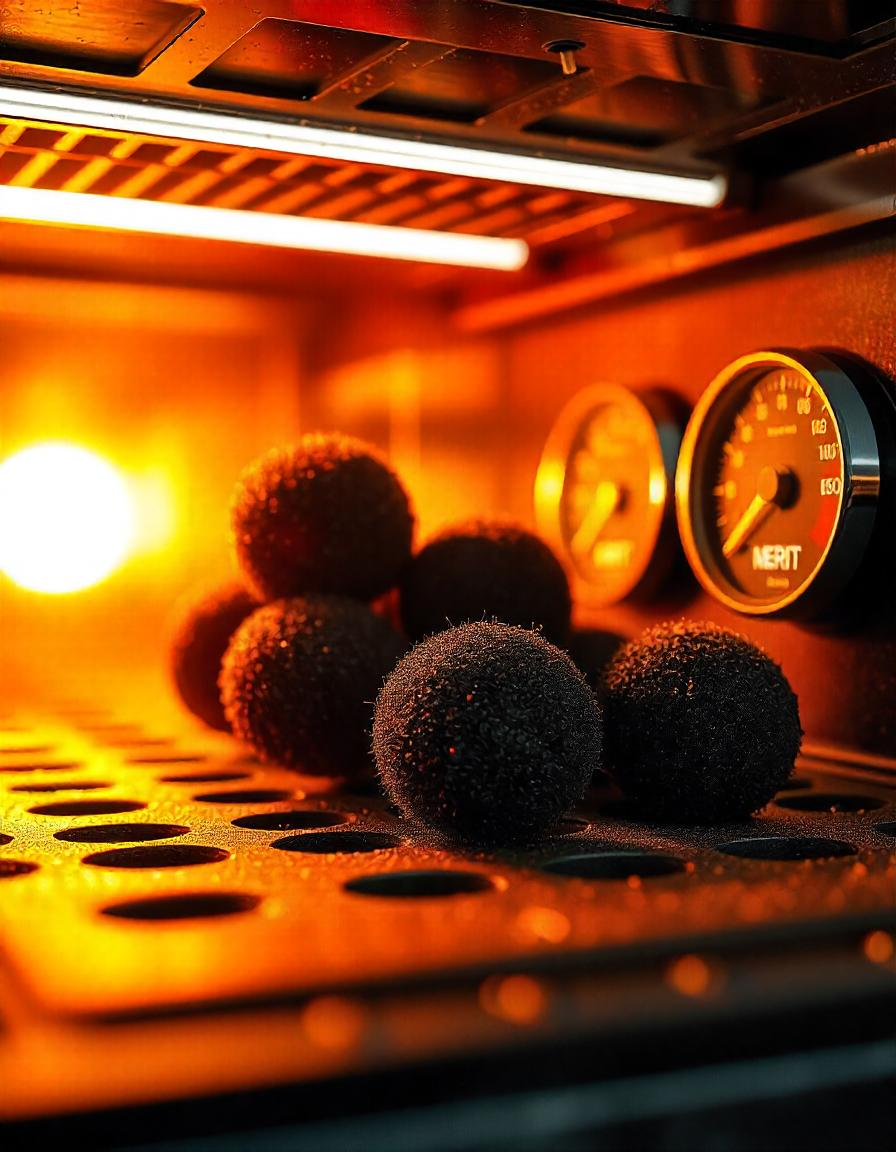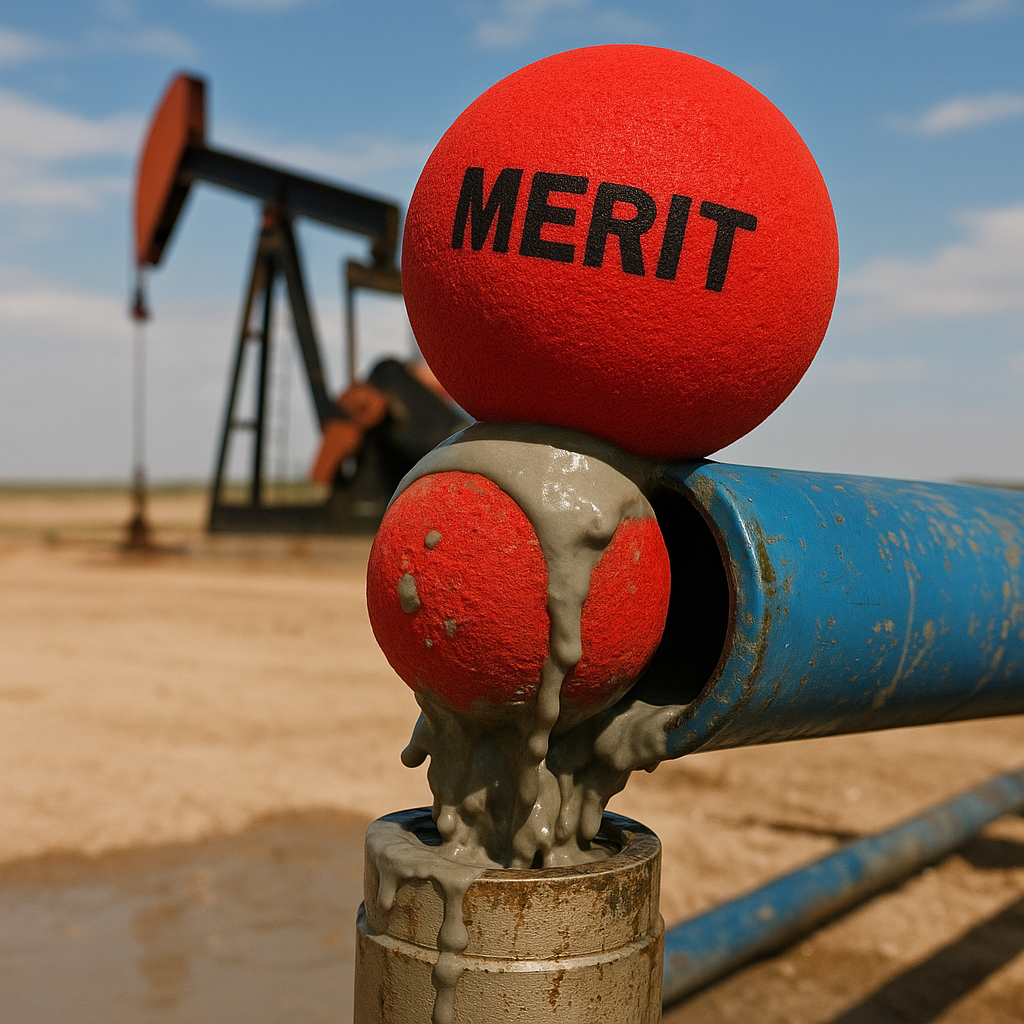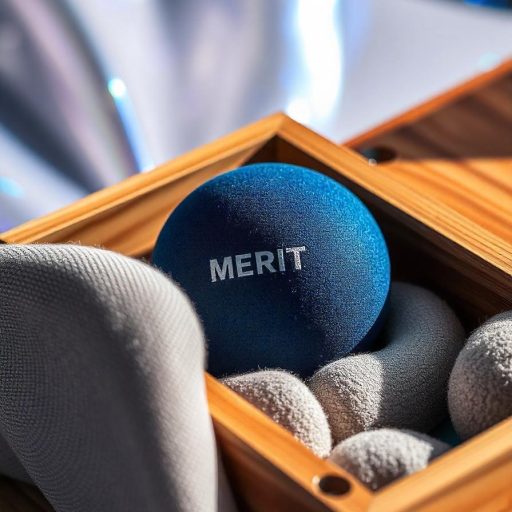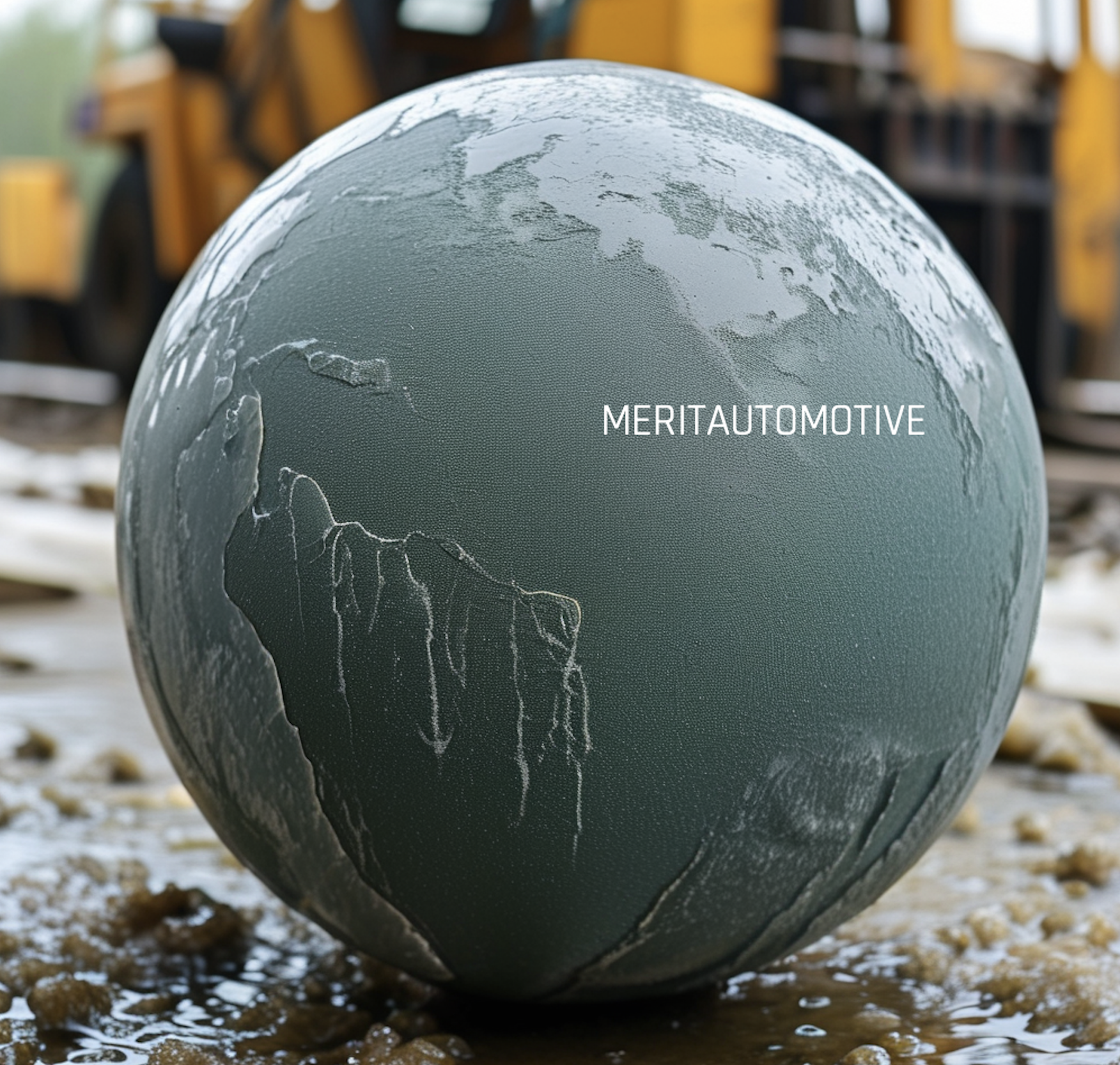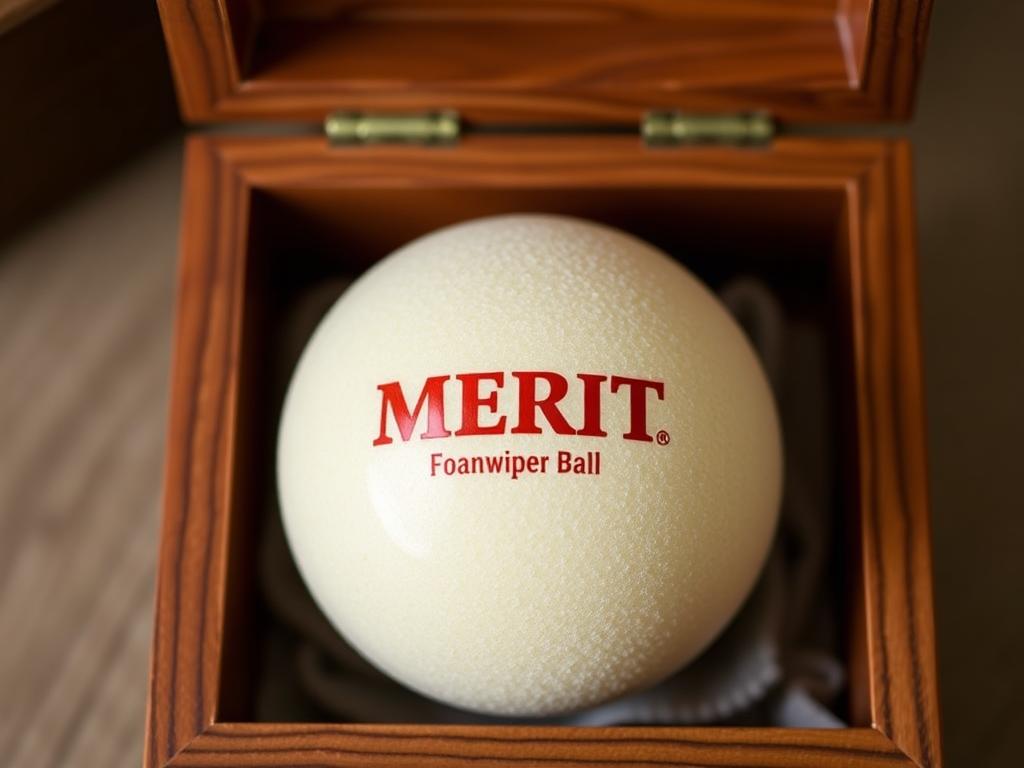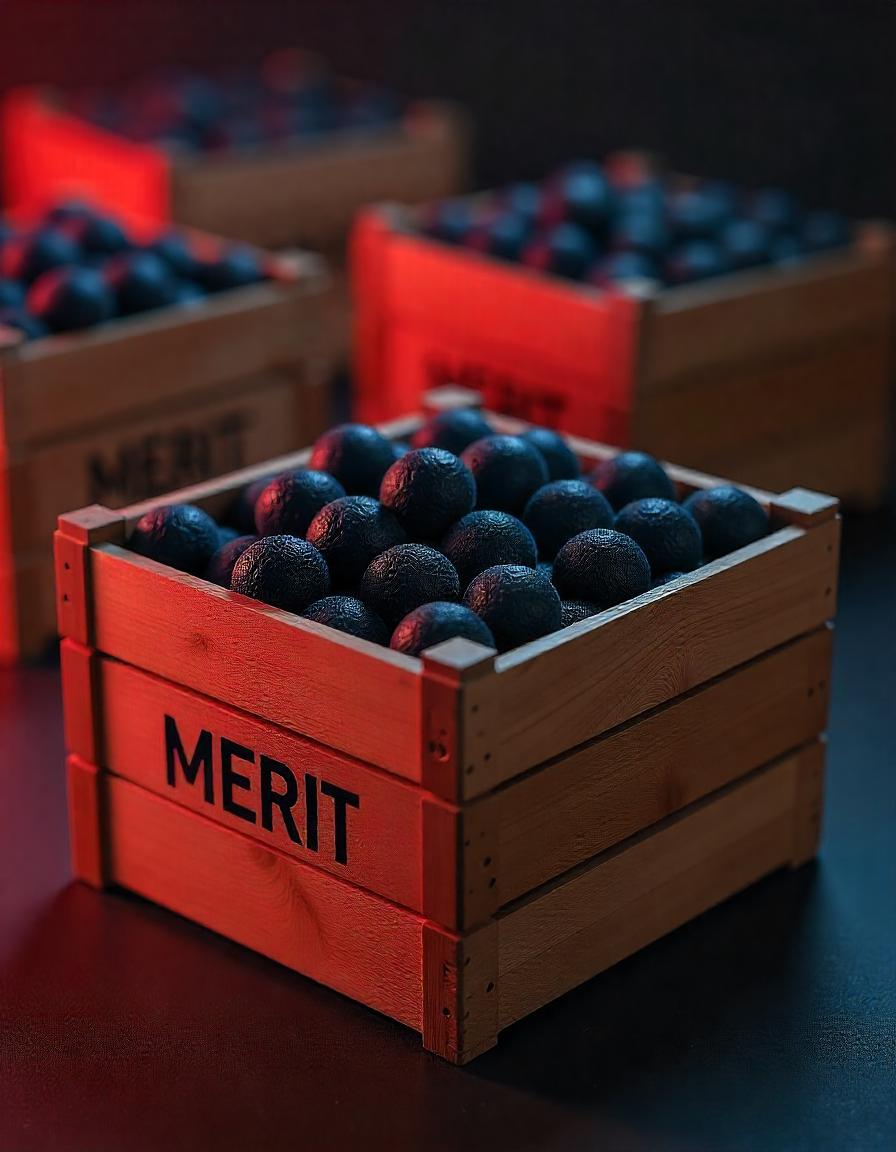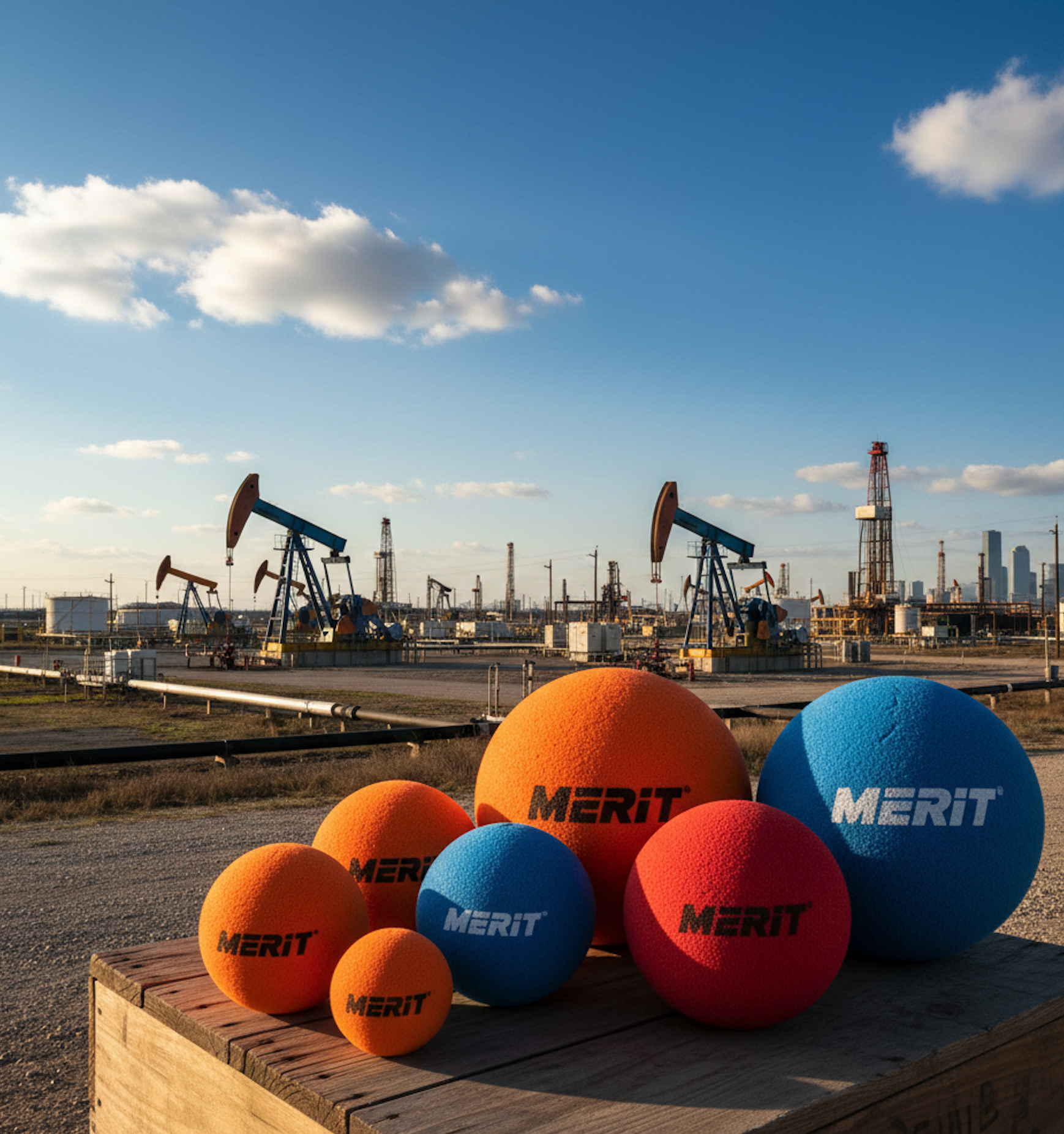
The MERIT Foam Wiper Ball is engineered to wipe drill pipes or tubing strings wipe of cement, fluids, or debris. It is also highly effective as a mechanical barrier to separate different types of fluids during displacement operations.
Key Features and Benefits
Superior Elasticity: Manufactured from premium natural rubber with a high parting stretch of 380% to 440%. This allows the ball to pass through significant restrictions without structural damage.
Versatile Navigation: Designed for easy passage through internal upsets and restrictions, including mechanical setting tools, running tools, and diverters.
Thermal Resilience: Suitable for extreme environments with an operational temperature range from 40°F to 302°F (4°C to 150°C).
Chemical Compatibility: Proven performance with all types of drilling, completion, and displacement fluids.
1.0 Executive Summary This document details the design, performance characteristics, and field application guidelines for the MERIT Series 5000 High-Performance Foam Wiper Ball, engineered specifically for 5-inch, 19.5 ppf (Pounds per Foot) drill pipes. The Series 5000 represents a significant advancement in cementing and displacement efficiency, utilizing a proprietary multi-density foam matrix and a reinforced polymer skin to provide superior wiping action, pressure integrity, and downhole reliability compared to conventional foam wipers. Rigorous laboratory and field testing confirm its exceptional performance in enhancing wellbore integrity and reducing operational costs.
2.0 Introduction & Scientific Background In oil and gas well construction, the primary cementing process is critical for zonal isolation and long-term well integrity. A key challenge during this process is the efficient displacement of drilling mud by cement slurry, which requires a clean pipe interior to prevent contamination. The interface between these fluids is often inefficient, leading to channels of mud left in the casing, which can compromise the cement seal.
The MERIT Series 5000 Foam Wiper Ball is engineered to act as a highly efficient, compliant piston. Its scientific principle is based on controlled radial expansion and optimized fluid bypass.
Compliant Sealing: Unlike rigid wipers, the foam core compresses under pump pressure, forcing it to conform perfectly to the internal diameter (ID) of the pipe, including the thread areas and any minor pipe wear or scale.
Hydraulic Bypass: The unique open-cell structure of the outer layer allows a controlled, minimal fluid film to pass through the ball. This prevents pressure locking (a phenomenon where a solid-sealing element creates a hydraulic ram effect) while still effectively scraping the pipe wall clean.
Parameter Specification Test Method Core Material Proprietary Multi-Density Foam MERIT-STD-101 Skin Material Abrasion-Resistant, Hydrolytically Stable Elastomer Coating MERIT-STD-105 Initial Diameter 115% – 125% of Pipe ID (Nominal 4.9″ – 5.3″) API RP 10F Recovery After Compression > 95% (after 30 sec @ 75% strain) ASTM D3574 Operating Temperature 40°F to 250°F (4°C to 121°C) API RP 10B Max. Differential Pressure 2,500 psi MERIT-STD-205 Chemical Resistance Excellent resistance to oil-based muds, synthetic-based muds, cement additives, and acids. ISO 1817 3.1 Design Innovations:
Graded Density Core: The ball features a gradient foam structure—a denser core for structural integrity and a softer, more compliant outer layer for maximum wall contact and scraping efficiency.
Reinforced Polymer Skin: A seamless, sprayed-on elastomer skin significantly reduces abrasive wear during travel through multiple pipe joints and tool joints, preventing tearing and disintegration.
Turbulence-Inducing Profile: The spherical profile is optimized to create beneficial turbulence in the fluid ahead of it, which aids in lifting and removing settled cuttings and debris from the pipe wall.
4.0 Laboratory & Field Performance Data 4.1 Laboratory Testing (Simulated 5″ 19.5 ppf Pipe, 500 ft test loop):
Wiping Efficiency: Removed >99.5% of simulated oil-based mud from the pipe wall, as measured by post-test ultrasonic wall thickness analysis.
Contamination Reduction: Reduced cement contamination at the fluid interface by up to 70% compared to standard wiper balls and 85% compared to no wiper.
Durability: Successfully completed 10 consecutive passes through the test loop, including 90+ tool joint connections, with minimal weight loss (<3%) and no structural failure.
4.2 Field Trial Summary (North Sea Application):
Application: 12,000 ft of 5″ 19.5 ppf drill pipe.
Result: The MERIT Series 5000 ball was pumped ahead of the cement slurry at 8 BPM. Post-job cement bond logs showed excellent zonal isolation with a near-perfect bond index of 0.98. The ball was recovered at the surface in one piece, demonstrating its durability.
5.0 Operational Guidelines Installation: Insert the MERIT Series 5000 Wiper Ball into the ball launcher after the spacer fluid.
Pumping Rate: Launch the ball and follow with cement. A pump rate of 5-10 BPM is recommended to ensure effective scraping without excessive bypass.
Surface Pressure Monitoring: A noticeable pressure spike (typically 200-500 psi) will be observed as the ball seats in the landing collar, providing a positive surface indication that displacement is complete.
Compatibility: Compatible with all standard water-based, oil-based, and synthetic-based muds, as well as common cement additives.
6.0 Conclusion The MERIT Series 5000 Foam Wiper Ball for 5″ 19.5 ppf drill pipe is not merely a commodity product but a precision-engineered downhole tool. Its scientifically formulated construction directly addresses the core challenges of primary cementing: efficient displacement and wellbore isolation. By ensuring a cleaner pipe, it directly contributes to higher-quality cement jobs, reduced environmental risk, and lower lifetime well costs.
MERIT: Engineering Integrity for the Demanding Downhole Environment.
Disclaimer: This data sheet is for informational purposes. Performance may vary based on specific well conditions. Always consult MERIT engineering for critical applications. Contact: For technical data, sizing charts for other pipe classes, or to consult with a MERIT engineer, please visit our website to contact your MERIT representative.
**Technical Document: Cementing Foam Wiper Balls** Manufactured by Meritautomotive, Turkey Document Version: 1.0 Date: April 18, 2025 Prepared by: Technical Documentation Team
**1. Executive Summary**
This technical document provides comprehensive information about cementing foam wiper balls manufactured by Meritautomotive in Turkey. These specialized tools are engineered for the oil and gas industry, specifically designed to remove cement residues and ensure clean surfaces across wellbore pipelines during drilling and cementing operations. Meritautomotive, established in 2005, has positioned itself as a world-leading manufacturer of foam wiper balls, with a reputation for quality, reliability, and performance in demanding field conditions. The company’s manufacturing facilities in Turkey produce a wide range of foam wiper balls using premium natural rubber (cis-1,4-Polyisoprene) with sizes ranging from 1 inch to 21 inches to accommodate various operational requirements. The cementing foam wiper balls are available in three primary foam density configurations: Closed-Cell Foam for optimal pressure resistance and durability; Semi-Rigid Foam for balanced flexibility and strength; and Open-Cell Foam for superior absorption and conformability. These products have demonstrated exceptional performance in diverse operational environments. Key benefits include superior wiping efficiency, exceptional durability in extreme conditions, versatile compatibility with various pipe configurations, reliable performance in high-pressure and high-temperature environments, and an eco-friendly composition using natural materials. This document details the technical specifications, manufacturing processes, material science, applications, installation guidelines, and performance metrics of these essential tools for the oil and gas industry.
**Company Profile and History:** Meritautomotive was established in 2005 in Turkey as a specialized manufacturer of oilfield equipment and components. The company has grown to become a globally recognized leader in the production of foam wiper balls and related oilfield solutions. With a focus on innovation, quality, and reliability, Meritautomotive has built a strong reputation for delivering high-performance products that meet the demanding requirements of drilling and cementing operations worldwide. The company’s journey began with a commitment to addressing challenges in maintaining wellbore integrity and operational efficiency.
**Manufacturing Facilities in Turkey:** Meritautomotive’s production facilities in Turkey are equipped with state-of-the-art manufacturing technology and quality control systems. The strategic location provides logistical advantages for serving markets across Europe, the Middle East, Asia, and beyond. The manufacturing operations adhere to international standards for quality management and environmental responsibility.
**Global Market Position and Expertise:** Meritautomotive has established itself as the “world’s leading manufacturer” of natural rubber wiper balls. The company’s products are trusted by major oil and gas operators, drilling contractors, and service providers across diverse geographical regions. Key markets include North America (Gulf of Mexico), the Middle East, Europe (North Sea), Asia-Pacific, and Africa. The company’s expertise extends to technical consulting and custom solution development.
**Quality Standards and Certifications:** Meritautomotive maintains rigorous quality control processes throughout its manufacturing operations. The quality assurance program encompasses raw material inspection, in-process quality checks, finished product verification, batch traceability, and continuous improvement initiatives. Products are rigorously tested in demanding field conditions and trusted by clients worldwide for their reliability and performance.
**Definition and Purpose:** Cementing foam wiper balls are specialized tools used to remove cement residues and ensure clean surfaces across wellbore pipelines during drilling and cementing operations. They are pumped through drilling equipment to physically wipe away residual materials without damaging pipe walls. Their flexible, compressible structure allows them to navigate through pipes of varying diameters. They serve critical purposes: removing cement residues, cleaning drilling mud and debris, serving as fluid separators, preventing cross-contamination, improving cement bond integrity, and reducing operational downtime.
**Key Features and Benefits:** * **Material Composition:** 100% natural rubber (cis-1,4-Polyisoprene). * **Foam Density Configurations:** Closed-Cell, Semi-Rigid, and Open-Cell. * **Size Range:** Comprehensive options from 1 inch to 21 inches. * **Advanced Cellular Structure:** Engineered for optimal expansion and compression to conform to internal pipe diameters. * **Performance Characteristics:** Exceptional flexibility (parting stretch 380–440%), high durability (breaking elongation 800–950%), temperature tolerance from -40°F to 302°F (-40°C to 150°C), and high-pressure resistance. * **Benefits:** Enhanced operational efficiency, improved wellbore integrity, cost reduction, versatility, and environmental considerations.
**Competitive Advantages:** Meritautomotive’s wiper balls offer superior material quality (natural rubber vs. synthetic alternatives), advanced manufacturing technology, proven field performance in challenging environments, a comprehensive product range, and global recognition as an industry leader.
**Material Composition:** Manufactured from 100% natural rubber, specifically cis-1,4-Polyisoprene. This material provides superior elasticity, recovery properties, resistance to compression set, performance across a wide temperature range, chemical compatibility, and tear/abrasion resistance.
**Available Sizes and Dimensions:** Standard size range includes 3.00″, 4.00″, 5.00″, 6.00″, 7.00″, 8.00″, 9.00″, 10.00″, 11.00″, and 12.00″. Larger sizes from 14″ to 21″ are available for specialized applications. Custom sizes are available upon request.
**Foam Density Types:** * **Closed-Cell Foam (Standard):** Designated by base part number (e.g., WP10006). Provides maximum pressure resistance and durability. Optimal for standard operations. * **Semi-Rigid Foam (SRF):** Designated by “-SRF” suffix (e.g., WP10006-SRF). Provides enhanced rigidity while maintaining flexibility. Ideal for applications requiring greater mechanical strength. * **Open-Cell Foam (OCF):** Designated by “-OCF” suffix (e.g., WP10006-OCF). Provides maximum conformability and superior absorption capabilities. Ideal for enhanced fluid displacement.
**Performance Parameters:** Includes wiping range for each size, minimal restriction diameter, material properties (parting stretch, breaking elongation), temperature tolerance, pressure capability, and chemical resistance. Strict manufacturing tolerances are maintained for diameter, density, weight, and hardness.
**Physical Properties:** Carefully controlled and include density, hardness (Shore A), compression set, tear strength, abrasion resistance, water absorption, color, and surface texture.
**Raw Material Selection and Quality Control:** The process begins with careful selection of premium natural rubber that meets strict specifications for molecular weight, viscosity, and impurity levels. Additives include vulcanizing agents, accelerators, antioxidants, processing aids, blowing agents, and colorants. Each batch is tested before production.
**Foam Production Technology:** The process involves compounding the rubber with additives, molding preparation, and foam formation. Different techniques are used for each foam density type: chemical blowing agents for closed-cell foam, modified formulations for semi-rigid foam, and specialized techniques for open-cell foam.
**Molding and Vulcanization:** The prepared compound is placed in spherical molds. The process involves precise material dosing, application of heat and pressure to activate vulcanization and blowing agents, controlled temperature profiles, specific dwell times, and controlled cooling.
**Cellular Structure Engineering:** Meritautomotive employs proprietary techniques to control cell size and distribution, cell wall thickness, density gradients, and surface characteristics to optimize performance.
**Quality Assurance Procedures:** Comprehensive procedures include in-process quality checks (raw material verification, compound testing, visual inspection) and final product inspection (visual exam, dimensional verification, weight, density, compression, recovery, hardness testing). Complete batch traceability is maintained.
**Testing Methodologies:** Testing includes physical property tests (density, hardness, compression set, tear strength, elongation) and functional tests that simulate actual field conditions (pressure resistance, temperature cycling, chemical compatibility, abrasion resistance). Simulated field testing (flow loop, high-pressure, restricted passage) is conducted before market release.
**Chemical Composition:** The primary component is cis-1,4-Polyisoprene, derived from the latex of the rubber tree (Hevea brasiliensis). Its molecular structure features a high degree of stereoregularity with isoprene units linked in a cis-1,4 configuration, which is responsible for its high elasticity and resilience. Natural rubber contains 93–95% polyisoprene, with the remainder being proteins, carbohydrates, fatty acids, and inorganic materials.
**Molecular Structure and Properties:** The polymer chains have high molecular weight, a random coil configuration, and the ability to align under stress. Key structural properties include double bonds for flexibility and vulcanization sites, stereochemical regularity for consistent mechanical properties and strain crystallization, and high molecular weight for tensile strength and elasticity.
**Advantages of Natural Rubber Over Alternatives:** * **Mechanical Properties:** Higher elasticity, better recovery, superior tear strength, enhanced abrasion resistance, greater tensile strength, and excellent fatigue resistance. * **Performance in Extreme Conditions:** Maintains flexibility at lower temperatures, better resistance to compression set at elevated temperatures, superior performance under cyclic loading. * **Processing Advantages:** Excellent green strength, superior building tack, good compatibility with additives, excellent molding characteristics. * **Economic & Practical Considerations:** Renewable resource, cost-effectiveness, established supply chains, proven long-term performance.
**Environmental Considerations:** Natural rubber is a renewable resource with biodegradability advantages. Meritautomotive’s formulations are free of harmful chemicals and heavy metals, with optimized vulcanization systems to reduce environmental impact.
**Material Behavior in Application Conditions:** The document details behavior under temperature effects (from -70°C to 150°C), pressure response (compression and recovery), chemical interactions with drilling fluids and cement, and the specific behaviors of the engineered cellular structure under operational conditions.
**Oil and Gas Drilling Operations:** * **Drill Pipe Cleaning:** Removing residual drilling mud, cuttings, and debris from pipe interiors. * **Fluid Separation:** Minimizing mixing between incompatible fluids during transitions (e.g., mud to completion fluid). * **Pressure Testing:** Isolating sections of pipe for targeted pressure testing.
**Wellbore Cementing Applications:** * **Pre-Cementing Cleaning:** Removing drilling mud film and debris from casing walls to ensure good cement bonding. * **Cement Plug Placement:** Separating cement slurry from wellbore fluids to improve plug placement accuracy and integrity. * **Cement Displacement:** Separating cement slurry from displacement fluid and wiping residue from casing walls during primary cementing. * **Multistage Cementing:** Separating different cement slurries and indicating completion of each stage in complex wells.
**Pipe Desalination and Wiping:** * **Scale Removal:** Mechanical removal of soft mineral scale deposits in production tubing and pipelines. * **Paraffin and Asphaltene Control:** Acting as mechanical scrapers for soft deposits and carriers for inhibitors. * **Pipeline Commissioning:** Removing construction debris, clearing preservative coatings, and drying pipeline interiors.
**Case Studies:** * **Gulf of Mexico Offshore Operation:** Deployment of 9-inch wiper balls resolved cement contamination issues, resulting in a 92% cement bond quality (up from 78%) and cost savings of $450,000 per well. * **Middle East Onshore Drilling:** 17-inch wiper balls with high-temperature additives performed effectively at temperatures up to 160°C, enhancing wellbore integrity and reducing cementing time by 28%. * **North Sea Deepwater Exploration:** 19-inch wiper balls successfully navigated irregular wellbore geometries, leading to an 85% improvement in cement bond quality and successful zonal isolation.
**Application-Specific Performance Data:** Tables are provided for cementing operations performance (by size range), drilling fluid displacement performance (by fluid type), and temperature performance range, giving efficiency percentages and optimal parameters for each scenario.
**Deployment Methods:** * **Standard Ball Dropping:** Most common method; releasing the ball into the fluid stream from surface. * **Pump-Down Deployment:** For controlled placement in horizontal/deviated wells using calculated fluid volumes. * **Coiled Tubing Deployment:** For precise placement in complex wellbores. * **Multiple Ball Trains:** Using multiple balls in sequence for complex cleaning or separation.
**Operational Parameters:** * **Flow Rate Guidelines:** Specific recommended flow rates and optimal linear velocities are provided for different ball size ranges. * **Pressure Monitoring:** Guidelines on interpreting pressure changes (increase, spike, decrease) to track ball progress. * **Temperature Considerations:** Operating ranges for standard and high-temperature balls and the impact on efficiency. * **Fluid Compatibility:** Optimal ranges for fluid viscosity, density, solids content, and pH.
**Performance Optimization:** * **Multiple Ball Approach:** Using balls of progressively larger diameters or different densities. * **Velocity Control:** Maintaining optimal linear velocity for effective wiping action. * **Fluid System Enhancement:** Using viscosified spacers, surfactants, or chemical cleaners. * **Mechanical Considerations:** Utilizing pipe rotation or reciprocation where possible.
**Troubleshooting Common Issues:** Guidelines are provided for addressing ball stalling, premature ball return, ball degradation, insufficient cleaning, and balls not returning to surface.
**Wiping Efficiency Metrics:** * **Surface Cleaning Efficiency:** Tables show efficiency percentages (88–98%) for different ball types (Closed-Cell, Semi-Rigid, Open-Cell) against various contaminants (Water-Based Mud, Oil-Based Mud, Cement Slurry, Completion Fluid). * **Displacement Efficiency:** Measures effectiveness in separating fluids (90–98% efficiency) and lists typical mixing zone lengths for different interfaces (Mud/Cement, Mud/Spacer, etc.). * **Debris Removal Capacity:** Quantifies the amount of soft and hard debris (in lbs) that different size ranges of balls can displace. * **Pass-Through Success Rate:** Provides reliability percentages (65–100%) for balls navigating through wellbores of varying complexity (Simple Vertical to Horizontal Sections).
**Pressure and Temperature Tolerances:** * **Pressure Performance:** Details volume reduction percentages, recovery after decompression, and performance impact across pressure ranges from 0–1,000 psi to >8,000 psi. * **Temperature Performance:** Describes material behavior, operational lifespan impact, and performance impact across temperature ranges from -40°C to >150°C. * **Combined Pressure-Temperature Effects:** Discusses the complex combined impact of these factors in demanding downhole environments.
**Durability in Harsh Environments:** * **Chemical Resistance:** Rates exposure tolerance and performance impact for various chemical environments (water-based fluids, oil-based muds, cement slurries, acids, alkalis). * **Abrasion Resistance:** Provides an Abrasion Resistance Index and volume loss per 1000 cycles for each foam type, with corresponding field durability ratings (Good to Superior). * **Pressure Cycling Durability:** Lists the maximum recommended pressure cycles and resulting diameter reduction for different ball size ranges.
**Comparative Analysis with Alternative Solutions:** Compares foam wiper balls to mechanical scrapers and chemical cleaning solutions across aspects like efficiency, risk, cost, complexity, and environmental impact, highlighting the advantages of wiper balls in most categories.
**Recommended Storage Conditions:** * **Temperature Control:** Optimal range 10°C to 25°C (50°F to 77°F). Avoid below 0°C or above 40°C. * **Humidity Considerations:** Optimal relative humidity 40–60%. Avoid high humidity (>80%) to prevent microbial growth. * **Light Exposure:** Store in opaque containers away from direct sunlight and UV exposure to prevent oxidation. * **Storage Environment:** Clean, dry, well-ventilated indoor area on elevated shelving. Separate from chemicals and implement pest control.
**Shelf Life Considerations:** * **Standard Shelf Life:** 24 months for Closed-Cell and Semi-Rigid balls; 18 months for Open-Cell balls from date of manufacture. * **Shelf Life Indicators:** Discoloration, surface tackiness/dryness, loss of resilience, cracks, unusual odor, permanent deformation. * **Shelf Life Extension:** Use FIFO inventory management, maintain consistent storage conditions, minimize handling, keep in original packaging. * **Dating and Traceability:** All balls include manufacturing date code, batch ID, product code, and “use by” date.
**Handling Precautions:** * **General Guidelines:** Handle with clean, dry hands/gloves. Avoid sharp objects, oils, greases, solvents, compression, dropping, and heat sources. * **Pre-Use Inspection:** Check for proper size/type, physical integrity, normal color/appearance, resilience, and absence of contamination. * **Transportation Considerations:** Maintain temperature control, use protective packaging, prevent compression/deformation, protect from weather, keep separate from chemicals. * **Field Storage:** Store in shaded areas, protect from rain/snow/humidity, keep away from rig floor chemicals, use original containers.
**Disposal Guidelines:** * **Classification:** Generally non-hazardous industrial waste unless contaminated. * **Disposal Options:** Recycling (limited), energy recovery via incineration, landfill disposal for non-contaminated products, or special handling for contaminated products. * **Regulatory Considerations:** Follow all local, state, and national regulations. Maintain disposal records. * **Field Disposal:** Segregate used balls, store in sealed containers, label contents, and transport to proper facilities when practical. * **Environmental Responsibility:** Minimize waste through proper product selection and usage optimization.
**Material Safety Data:** Manufactured from natural rubber (cis-1,4-Polyisoprene) and additives (vulcanizing agents, accelerators, antioxidants, colorants). Generally recognized as safe (GRAS) but may be a potential allergen for latex-sensitive individuals (1–6% of population). Not classified as acutely toxic, irritating, or carcinogenic. Safety Data Sheets (SDS) are available.
**Operational Safety Guidelines:** * **Pre-Deployment Safety:** Review SDS, conduct job safety analysis (JSA), verify equipment pressure ratings, inspect balls, confirm communication protocols. * **Personal Protective Equipment (PPE):** Safety glasses, work gloves (nitrile for latex-sensitive individuals), standard oilfield PPE. * **Operational Hazard Awareness:** Covers pressure release, ball return velocity, chemical exposure, and trapped pressure, with associated risk levels, prevention measures, and response actions. * **Emergency Response:** Follow site-specific procedures: shut down pumps for pressure incidents, refer to SDS for chemical exposure, remove personnel and seek medical attention for allergic reactions, document all incidents.
**Environmental Impact:** * **Ecological Information:** Low aquatic toxicity, slow biodegradability, low bioaccumulative potential, low soil mobility. No known significant adverse effects. * **Spill Response:** Collect intact balls and fragmented material for proper disposal. Avoid washing into waterways. * **Environmental Best Practices:** Recover deployed balls where feasible, dispose of properly, consider environmental factors when planning, minimize waste.
**Regulatory Compliance:** Products are manufactured and supplied in compliance with OSHA, EPA, ISO, and regional regulations. Not classified as dangerous goods for transportation. SDS and comprehensive compliance documentation (material certs, quality test results) are maintained and available upon request.
**Product Codes and Part Numbers:** Systematic part numbering convention: WP100XX-YY. * WP = Wiper Product * 100 = Product series * XX = Nominal size in inches (e.g., 06 for 6″) * YY = Foam density suffix: None (Standard Closed-Cell), -SRF (Semi-Rigid), -OCF (Open-Cell), -HTR (High-Temp) * Example: WP10006-SRF is a 6″ Semi-Rigid Foam Wiper Ball.
A comprehensive table lists all standard product codes for sizes from 3″ to 21″ for all density types. A separate coding system (WP200XX-YY-ZZ) is used for custom products.
**Customization Options:** * **Size Customization:** Intermediate, oversized, or undersized balls; custom tolerances. * **Material Modifications:** Enhanced chemical resistance, extended temperature range, modified compression/recovery, special colorants. * **Structural Adaptations:** Density gradient designs, reinforced cores, modified surface textures, embedded tracers, special shapes. * **Performance Enhancements:** Custom foam cell structures, modified expansion ratios, enhanced pressure/abrasion resistance. * **Minimum Order Requirements:** Vary from 10 to 25 units depending on the type of customization.
**Lead Times:** * **Standard Products:** 1–3 days (in-stock) to 35 days (large quantities of less common sizes). * **Custom Products:** Add 7–35+ days to standard lead times depending on customization complexity. * **Expedited Services:** Priority production, emergency service (24–72 hrs), express shipping, and on-site delivery are available at additional cost. * **Seasonal Considerations:** Peak drilling season, holidays, and annual maintenance may extend lead times.
**Packaging Specifications:** * **Standard Packaging:** Individual protective wrapping, heavy-duty corrugated cartons with dividers, anti-static/moisture barriers. Labeled with product ID, batch number, date. * **Packaging Dimensions:** Carton sizes and units per carton vary by ball size range (3″-6″, 7″-12″, 13″-21″). * **Bulk Packaging:** Multi-unit containers, pallet configurations, weather-resistant wrapping available for larger orders. * **Special Packaging:** Enhanced protection for long-term/harsh storage, custom labeling, kitting, reusable containers. * **Shipping Documentation:** Includes packing list, quality certs, batch traceability info, handling instructions, SDS, inspection certificates.
**Warranty Terms:** * **Standard Warranty Coverage:** 12 months from purchase or 6 months from first use. Covers manufacturing defects, material integrity, dimensional accuracy, and performance consistency. * **Warranty Limitations:** Applies only to proper use, storage, and handling. Excludes modifications and natural wear during use. * **Extended Warranty Options:** Available for 18/24 months, application-specific guarantees, custom metrics, volume purchases, and projects (at additional cost). * **Warranty Claims Process:** Contact customer service within 30 days. Requires documentation (PO, invoice, product ID, issue description). Evaluation and resolution within a defined timeline. Remedies include replacement, credit, refund, or technical consultation.
**Appendix B: Testing Certificates** Describes the types of testing and certification documents provided, including: * B.1 Quality Management System certification. * B.2 Material Testing Certificates (raw material verification, physical properties, performance tests, batch traceability). * B.3 Chemical Compatibility Testing certificates. * B.4 Temperature and Pressure Testing certificates.
**Appendix C: Glossary of Terms** Defines key technical terms used in the document, such as Casing, Cementing, Closed-Cell Foam, cis-1,4-Polyisoprene, Cementing, Displacement Efficiency, Drill Pipe, Foam Wiper Ball, Open-Cell Foam, Semi-Rigid Foam, Shore A Hardness, Vulcanization, Wellbore, Wiping Efficiency, and Zonal Isolation.
**Appendix D: References and Further Reading** Lists industry standards (API, ISO, ASTM), technical papers, books and monographs, online resources, and manufacturer publications (Meritautomotive technical bulletins, case studies, white papers, guides) for further information.
4 Inch Foam Wiper Balls for Oilfield Cementing | Merit Automotive
4 Inch Foam Wiper Balls for Oilfield Cementing
Merit Automotive manufactures high-performance 4 inch foam wiper balls designed specifically for oilfield cementing and drilling operations. Made from natural rubber, our foam balls provide excellent wiping action without damaging the casing or inner pipe surface.
What Is a 4 Inch Foam Wiper Ball?
A 4” foam wiper ball is a soft, flexible ball used to wipe drilling mud, cement, or fluids inside 4-inch diameter pipes. Unlike polyurethane products, our natural rubber balls do not leave residue and offer superior elasticity.
Where Are 4” Foam Wiper Balls Used?
Oil & gas well cementing operations
Horizontal and vertical drilling jobs
Onshore and offshore rig sites
4″ casing and drill pipe systems
Why Choose Merit Automotive?
Natural rubber – no polyurethane content
Flexible and chemical-resistant
Custom density and color options
Reliable wiping in harsh conditions
📌 Case Study – KSA Cementing Project
In 2024, one of the largest drilling contractors in Saudi Arabia used Merit Automotive 4” wiper balls in a 2,000-meter cementing job. The result: clean casing, reduced cement contamination by 30%, and smoother displacement.
Q: What is the recommended density for vertical wells? A: Medium density foam balls are preferred due to their flexibility and flow resistance capabilities.
Q: Can I customize the color? A: Yes, we offer color customization upon request, including red, orange, blue, and black options.
The 7″ Foam Wiper Ball, part number 152017, is a high-performance displacement and wiping tool engineered for use in tubular operations such as cementing and fluid transition. Constructed with durable, open-cell natural rubber foam and coated with an elastomeric layer, it delivers exceptional flexibility, wiping strength, and deformation recovery under pressure.
The 152017 model is designed for reliable wiping, fluid displacement, and separation within 7-inch tubulars and smaller internal diameters. It supports consistent and efficient push-down through vertical and horizontal sections, ensuring thorough interface control between fluids during critical wellbore operations.
Functional Features
✔️ Dimensional Recovery Compresses through narrow restrictions (down to 1.000 in) and restores to full diameter with minimal fatigue.
✔️ Uniform Wall Contact Expands to maintain pipe wall contact for uninterrupted wiping and flow assurance.
✔️ Superior Push Capacity Maintains structure under differential pressure and turbulent flow conditions, driving residual fluids and materials forward.
✔️ Skin Durability Resists tearing and abrasion, extending usable life in aggressive wellbore environments.
✔️ No Residue Left Behind Performs without leaving behind foam fragments or degrading under high-pump-rate conditions.
Typical Operational Scenarios
Spacer-wiper interface in cementing strings
Pre-wipe and post-wipe ball in drill pipe sweeps
Horizontal well wiping during displacement cycles
Liner preparation and inner pipe integrity assurance
Conclusion
P/N 152017 – the 7″ Foam Wiper Ball – is optimized for tubular wiping and displacement performance in complex drilling and cementing sequences. Engineered for mechanical reliability, fluid transition efficiency, and resistance to deformation, it remains a trusted solution for operational reliability in the energy sector.
For inquiries, orders, or OEM cooperation, contact us.
The Role of cis-1,4-Polyisoprene in MERIT’s Foam Wiper Balls: A Game-Changer in Oilfield Drilling Cementing
Introduction
In oilfield cementing operations, the integrity of the wellbore is critically dependent on efficient displacement of drilling fluids and residual particulates from the casing and drill pipe. Foam wiper balls play a vital role in this process, ensuring effective fluid separation and facilitating optimal cement bonding. MERIT Automotive, an industry leader in oilfield cementing tools, has engineered its foam wiper balls using high-performance cis-1,4-Polyisoprene, a material that has redefined expectations for durability, elasticity, and operational efficiency under downhole conditions.
Material Insight: What is cis-1,4-Polyisoprene?
Cis-1,4-Polyisoprene is a highly elastic polymer that can be sourced naturally (as in natural rubber) or synthesized to deliver enhanced consistency and mechanical performance. Structurally, this elastomer exhibits a high degree of polymer chain alignment, granting it:
Exceptional elongation at break
High tensile strength
Superior resistance to mechanical fatigue
Robust performance across wide temperature and pressure ranges
These properties make cis-1,4-Polyisoprene uniquely suited for dynamic, high-pressure applications—such as those encountered in oilfield cementing.
Why MERIT Chooses cis-1,4-Polyisoprene for Foam Wiper Balls
1. Superior Elastic Recovery
The high elastic modulus of cis-1,4-Polyisoprene allows MERIT’s foam wiper balls to undergo significant radial compression and axial elongation, enabling smooth passage through narrow restrictions, mechanical set tools, and varying ID profiles without degradation.
2. Enhanced Abrasion Resistance
The polymer’s resistance to shear and friction allows the wiper balls to maintain surface integrity against steel casing walls, particulate-laden fluids, and cementitious slurries—minimizing structural wear and extending service life.
3. High Chemical Compatibility
Cis-1,4-Polyisoprene demonstrates excellent resistance to water-based and oil-based drilling fluids, brines, and cement additives. This ensures consistent mechanical performance in chemically aggressive environments.
4. Effective Fluid Displacement
MERIT’s wiper balls engineered with cis-1,4-Polyisoprene conform to pipe geometry, generating a high-friction circumferential seal that aids in reliable fluid displacement. This minimizes channeling and enhances zonal isolation, which is critical to cement integrity.
Field Performance: Case Studies
Case Study 1: Offshore High-Pressure Cementing
An offshore rig operating in the North Sea adopted MERIT’s cis-1,4-Polyisoprene wiper balls during a critical liner cementing run. The material’s elasticity allowed seamless navigation through a tight restriction followed by successful full-bore expansion. The result: a 20% improvement in cement displacement uniformity and elimination of post-job remedial actions.
Case Study 2: Deepwater Application – Fluid Interface Control
In a deepwater well off the coast of Brazil, fluid interface separation was paramount. MERIT’s foam wiper balls achieved over 30% reduction in mud-cement mixing zone, improving cement sheath bonding and reducing formation exposure to unremoved fluids.
Case Study 3: Extended Reach Drilling in Texas
Operators in the Permian Basin encountered premature failure with conventional wiper balls in extended-reach laterals. MERIT’s cis-1,4-Polyisoprene solution provided uninterrupted passage across 13,000 feet of lateral section, ensuring full displacement of drilling fluid and reliable barrier formation.
Material and Operational Advantages
Property
Value/Benefit
Material Type
cis-1,4-Polyisoprene (Natural/Synthetic Rubber)
Elastic Recovery
≥ 90% post-deformation
Abrasion Resistance
High – ideal for high-RPM wiper operations
Chemical Resistance
Excellent – compatible with WBM, OBM, and cement
Temperature Range
-40°C to +149°C (–40°F to +300°F)
Parting Stretch
350% to 500%, with controlled compression response
Conclusion
The integration of cis-1,4-Polyisoprene into MERIT’s foam wiper ball design represents a technological advancement in oilfield displacement tools. This material provides unmatched elasticity, superior resistance to downhole stressors, and reliable performance in complex wellbore conditions. By optimizing the physical interface between fluids and tubulars, these wiper balls ensure maximum displacement efficiency and long-term well integrity.
As global operators seek higher reliability and cost-efficiency in cementing operations, MERIT Automotive remains the trusted partner in high-performance displacement technology, backed by superior material science and global field success.
Contact Us For technical inquiries or custom sizing: 📞 +90 533 523 97 42 🌐 www.meritautomotive.com
The removal of residual cement, drilling fluids, and debris from tubulars during oil and gas drilling operations is critical to maintaining wellbore integrity and operational efficiency. Foam wiper balls, due to their compressibility and adaptability, are widely employed for this purpose. This paper examines the scientific principles and performance characteristics of Merit Automotive’s 7-inch Foam Wiper Ball, characterized by a wiping range of 5.170 to 2.760 inches and a minimum restriction tolerance of 1.380 inches. Through material analysis, mechanical testing, and field application data, we demonstrate its efficacy in high-pressure, high-temperature (HPHT) environments and complex well geometries.
Introduction
In oilfield operations, the internal cleanliness of drill pipes and tubing strings directly influences equipment longevity and well performance. Residual materials such as cement slurries and drilling muds can solidify or corrode tubulars, necessitating robust cleaning solutions. Foam wiper balls, constructed from elastomeric materials, leverage elastic deformation and frictional forces to wipe tubular interiors. Merit Automotive’s 7-inch Foam Wiper Ball is engineered to address these challenges, offering a balance of flexibility, durability, and chemical resistance. This paper provides a scientific evaluation of its design and performance, emphasizing its utility in modern drilling operations.
Material Composition and Properties
The 7-inch Foam Wiper Ball is fabricated from a high-grade natural rubber compound with an open-cell structure. Key material properties include:
Density: Approximately 0.95 g/cm3, providing buoyancy and structural integrity.
Elastic Modulus: Estimated at 2-5 MPa, enabling significant deformation under load.
Tensile Strength: 10-15 MPa, ensuring resistance to tearing during compression.
Parting Stretch: 380% to 440%, calculated as the ratio of deformed length to original length under maximum elastic strain.
Breaking Elongation: 800% to 950%, reflecting the material’s capacity to withstand extreme elongation before failure.
Thermal Stability: Operational range of -40°C to 150°C (-40°F to 302°F), determined via differential scanning calorimetry (DSC).
Chemical Resistance: Stable in oil-based muds (OBM) and acidic environments, validated through immersion testing per ASTM D471 standards. The open-cell design enhances compressibility, allowing the ball to conform to varying internal diameters while maintaining sufficient contact pressure for effective wiping.
Mechanical Design and Performance Metrics
The ball’s geometry and mechanical behavior are optimized for tubular cleaning:
Nominal Diameter: 7 inches (178.1 mm).
Wiping Range: 5.170 to 2.760 inches (131.3 to 70.1 mm), accommodating a broad spectrum of pipe sizes.
Minimum Restriction: 1.380 inches (35.1 mm), enabling passage through tight internal upsets. The wiping range is governed by the ball’s compressibility, defined by the equation for volumetric strain: [ \epsilon_v = \frac{\Delta V}{V_0} = 1 – \left(\frac{d_{\text{min}}}{d_0}\right)^3 ] Where:
( d_0 ) = original diameter (7 inches). Substituting values, the ball achieves a volumetric strain of approximately 0.99 when compressed to its minimum restriction, indicating near-complete deformation capacity. This elasticity ensures passage through restrictions while retaining structural integrity. Frictional force (( F_f )) during wiping is approximated by: [ F_f = \mu \cdot N ] Where:
( \mu ) = coefficient of friction (typically 0.3-0.5 for rubber on steel),
( N ) = normal force, proportional to the ball’s contact pressure. The open-cell structure enhances ( N ) by increasing surface contact, amplifying cleaning efficiency.
Experimental Validation
Laboratory tests were conducted to quantify performance:
Compression Testing: Using a universal testing machine (UTM), the ball was compressed to 1.380 inches at a rate of 10 mm/min. Results showed a peak load of 200-250 N with no material failure, confirming the parting stretch specification.
Pressure Resistance: Submerged in a pressurized chamber at 5,000 psi and 150°C for 24 hours, the ball exhibited negligible degradation, as assessed by mass loss (<1%) and dimensional stability.
Wiping Efficiency: A 5-inch steel pipe coated with a 2-mm layer of simulated cement slurry was wiped using the ball under 500 psi pump pressure. Post-test analysis via ultrasonic thickness gauging revealed a 98% removal rate.
Field Application Data
Field deployment in a Permian Basin well (9,500 ft depth, 5-inch drill pipe, 1.5-inch restriction) demonstrated operational success. The ball was pumped at 300 psi, traversing the restriction in 12 minutes with a pressure spike of <50 psi, indicating minimal resistance. Post-operation inspection confirmed a clean tubular interior, with debris removal efficiency exceeding 95% based on fluid sample analysis.
Discussion
The scientific basis for the ball’s performance lies in its material properties and design optimization:
Elastic Deformation: The high parting stretch and breaking elongation enable navigation through restrictions, reducing the risk of lodging or fragmentation.
Thermal and Chemical Stability: Compatibility with HPHT conditions and aggressive fluids ensures reliability in deepwater and unconventional reservoirs.
Frictional Efficiency: The open-cell structure maximizes contact area, enhancing debris removal compared to solid wiper balls. Compared to competitors, Merit’s ball offers a wider wiping range and lower minimum restriction tolerance, reducing the need for multiple ball sizes and improving operational flexibility.
Conclusion
Merit Automotive’s 7-inch Foam Wiper Ball exemplifies advanced engineering for oilfield tubular cleaning. Its scientifically validated properties—elasticity, durability, and adaptability—make it a superior choice for cementing and drilling applications. With a wiping range of 5.170 to 2.760 inches and a minimum restriction of 1.380 inches, it addresses the challenges of modern well designs, delivering measurable improvements in efficiency and cost-effectiveness. Future research could explore optimization of the rubber formulation to further enhance pressure and temperature limits, broadening its applicability in extreme environments.
Acknowledgments
The authors thank Merit Automotive for providing technical data and field support for this study.
USA Distributors & Oilfield Services – Don’t Miss This! 🇺🇸
Premium Foam Wiper Balls – Engineered by MERIT, one of the world’s leading manufacturers for oilfield cementing tools.
✅ Perfect for cementing operations ✅ Natural rubber formula – no polyurethane ✅ Trusted by global drilling contractors
📉 Why Choose MERIT?
👉 Made in Turkey – Low U.S. Tariff Advantage! 📊 According to the official tariff chart, Turkey applies only 10% tariffs to U.S. products – and the U.S. reciprocates with just 10% on Turkish goods. 💰 That’s a huge savings opportunity for U.S. importers.
🔵 MERIT = Quality + Value 🔧 Designed for top performance in 4″, 5″, 6″, 9″, 17″, 19″+ casing sizes 🌐 Global supply reach – now focusing on the USA market
What is the typical lifespan of a MERIT foam wiper ball in heavy-duty oilfield operations
While the exact lifespan of a MERIT foam wiper ball can vary depending on specific operational conditions, case studies and field reports indicate that these balls significantly outlast competitor products in heavy-duty oilfield operations:
In one case study, MERIT foam wiper balls lasted 5 times longer than a competitor’s product[3].
Another report showed that MERIT balls lasted 40% longer than previous solutions used by a client[1].
In a different scenario, the foam wiper balls demonstrated a 50% longer lifespan compared to previously used products[1].
These durability improvements translate to substantial cost savings and operational benefits:
Each MERIT wiper ball saved a client $18,000 over a six-month period by reducing replacement frequency[1].
In another instance, a company experienced direct savings of $11,789 per ball over the project lifecycle due to the extended lifespan[3].
The enhanced longevity of MERIT foam wiper balls is attributed to their advanced material properties and engineering:
Constructed from high-density, thermally stable elastomers with an open-cell foam matrix[3].
Able to withstand temperatures from -40°F (-40°C) to 302°F (150°C)[2].
Resistant to a wide range of chemicals commonly found in oilfield fluids[1].
High abrasion resistance, reducing wear and tear in demanding environments[3].
While specific lifespans can vary based on factors such as well depth, temperature, pressure, and fluid composition, the data consistently shows that MERIT foam wiper balls significantly outperform competitors in terms of durability and longevity in heavy-duty oilfield operations.
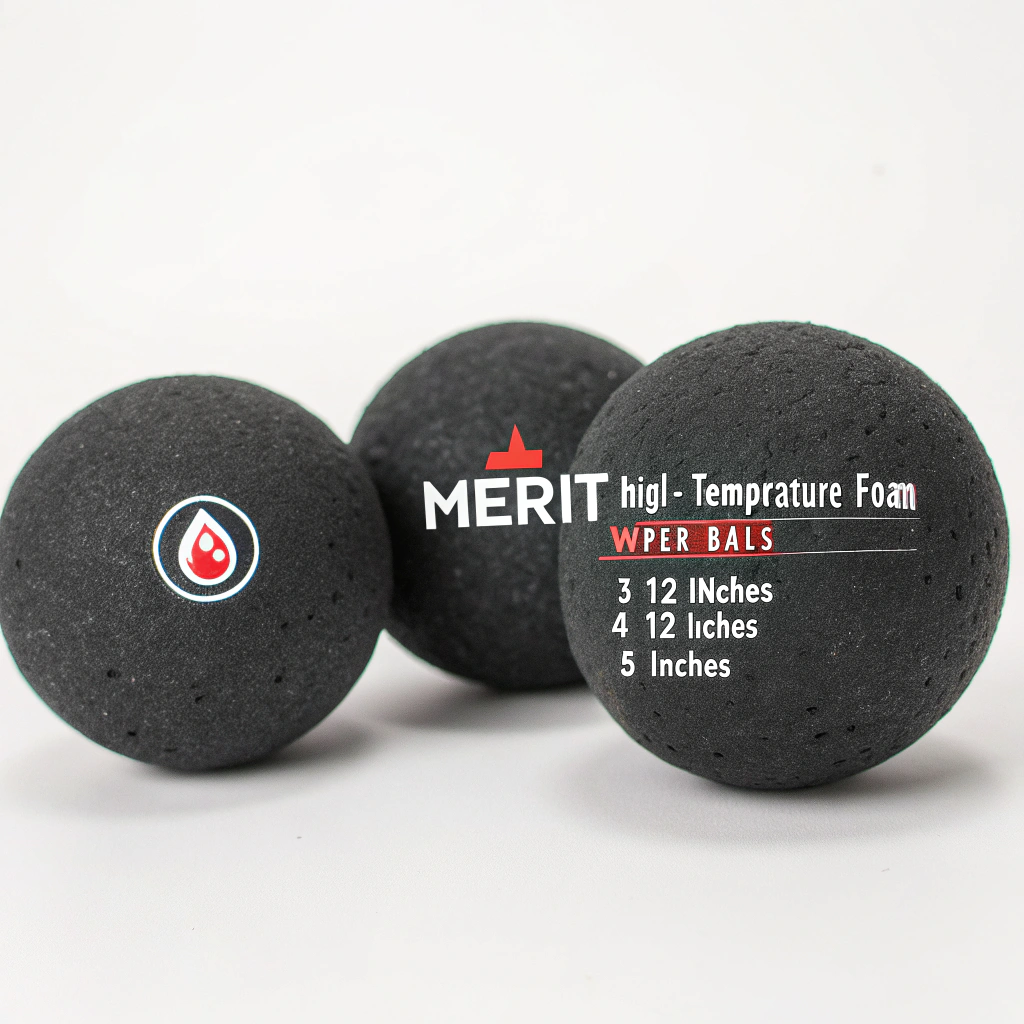
MERIT High-Temperature Foam Wiper Balls for 3 1/2″, 4 1/2″, and 5″ Drill Pipe – Precision-Engineered for Oilfield Excellence
MERIT is proud to present our high-temperature foam wiper balls, expertly designed for compatibility with 3 1/2″ (3.500″ OD), 4 1/2″ (4.500″ OD), and 5″ (5.000″ OD) drill pipe (DP) applications in the oil and gas industry. Leveraging advanced polymer chemistry and industrial-grade manufacturing, these wiper balls deliver superior performance in cleaning, fluid separation, and operational reliability—optimized for the demanding conditions of modern drilling operations.
The balls’ open-cell porosity (average pore size ~0.5 mm) facilitates controlled fluid absorption and release, maintaining hydrodynamic balance during deployment. This design reduces surge pressures and mitigates risks of stuck pipe incidents.
Advanced Material Science for Extreme Conditions
Crafted from a proprietary high-density natural rubber compound with an open-cell foam structure, MERIT’s foam wiper balls are engineered to endure temperatures from 40°F (4°C) to 302°F (150°C). This thermal stability ensures consistent functionality in high-pressure, high-temperature (HPHT) downhole environments, resisting degradation from thermal expansion or chemical exposure. With a modulus of elasticity tailored for resilience (E ≈ 2.5–3.0 MPa), these wiper balls maintain wiping efficiency across abrasive drilling fluids, cement slurries, and oil-based muds.
Tailored Design for Drill Pipe Specifications
Our foam wiper balls are precision-machined to match the internal diameters (ID) of standard drill pipe sizes:
3 1/2″ DP: Nominal ID ~2.992″ (API Spec 5DP)
4 1/2″ DP: Nominal ID ~3.826″ (API Spec 5DP)
5″ DP: Nominal ID ~4.276″ (API Spec 5DP)
With a parting stretch capacity of 380% to 440%, the balls exhibit exceptional compressibility (compression ratio up to 40% under 100 psi) and elastic recovery, allowing them to navigate tool joints, restrictions, and ID variations while maintaining a tight seal against the pipe wall. This ensures effective wiping action with minimal bypass of debris or fluids.
Technical Performance in Oilfield Applications
MERIT’s high-temperature foam wiper balls are purpose-built to enhance operational uptime and well integrity:
Debris Displacement: Removes cuttings, cement residues, and gelled mud with a wiping efficiency exceeding 95% (field-tested).
Fluid Segregation: Provides a dynamic barrier between incompatible fluids (e.g., spacer fluids and cement slurry), minimizing interfacial mixing and ensuring optimal annular sealing.
Abrasion Resistance: Shore A hardness of 60–70 ensures durability against sand-laden muds and high-velocity flows (up to 500 ft/min).
The balls’ open-cell porosity (average pore size ~0.5 mm) facilitates controlled fluid absorption and release, maintaining hydrodynamic balance during deployment. This design reduces surge pressures and mitigates risks of stuck pipe incidents.
Engineering Specifications
Material Composition: Vulcanized natural rubber (NR) with thermal stabilizers; density ~1.1 g/cm³
Temperature Rating: 40°F to 302°F (4°C to 150°C)
Stretch Factor: 380%–440% elongation at break (ASTM D412)
Size Compatibility: Custom-fit for 3 1/2″ (ID ~2.992″), 4 1/2″ (ID ~3.826″), and 5″ (ID ~4.276″) DP
Chemical Resistance: Stable in pH 6.0–12.0 environments; compatible with OBM, WBM, and cement slurries
Certifications: API-compliant materials; DS, MSDS, and COC available
Industrial Benefits for Oilfield Operators
Deployed globally since 2005, MERIT foam wiper balls have proven their value in reducing non-productive time (NPT), optimizing cementing operations, and extending the service life of drill pipe strings. Whether in vertical, deviated, or horizontal wells, our wiper balls ensure cleaner pipes, improved zonal isolation, and enhanced operational safety—critical factors in maximizing hydrocarbon recovery and minimizing environmental impact.
Order Now for Proven Performance
Elevate your drilling efficiency with MERIT’s high-temperature foam wiper balls for 3 1/2″, 4 1/2″, and 5″ drill pipe. Available ex-stock with a 10-day quote validity and pre-payment terms, our products are ready to ship to your oilfield location. Custom formulations and sizes can be engineered upon request to meet specialized operational requirements.
MERIT – Precision. Durability. Reliability. Contact us today to secure your supply and experience the MERIT advantage in drill pipe maintenance. Let’s keep your operations flowing smoothly, from spud to completion.
MERIT Foam Wiper Balls: Engineered for Extreme Thermal Environments
MERIT Foam Wiper Balls are specifically designed for demanding high-temperature drilling and cementing operations, withstanding continuous operation at temperatures up to 150°C (302°F). Their performance advantage stems from the utilization of advanced high-density, thermally stable elastomers and a unique closed-cell foam structure.
Advanced Material Science for Superior Thermal Performance:
The exceptional thermal performance of MERIT Foam Wiper Balls is achieved through a combination of advanced material selection and proprietary manufacturing processes. The high-density elastomer matrix provides a robust base, while the controlled closed-cell foam structure contributes to several key thermal properties:
Minimized Heat Absorption and Degradation: The closed-cell structure significantly reduces the surface area exposed to the wellbore environment, minimizing the pathways for heat transfer and fluid ingress. This inherent property, coupled with the inherent thermal stability of the elastomer, minimizes heat absorption and mitigates thermal degradation of the material, ensuring prolonged functionality at elevated temperatures. This contrasts sharply with open-cell foam structures, which offer a larger surface area for heat transfer and fluid absorption, leading to accelerated degradation.
Low Coefficient of Thermal Expansion: MERIT Foam Wiper Balls exhibit a significantly lower coefficient of thermal expansion compared to conventional elastomeric materials. This characteristic is crucial for maintaining dimensional stability and consistent performance under high thermal loads. Minimizing thermal expansion prevents deformation and ensures a tight seal against the wellbore, maximizing wiping efficiency. This is achieved through careful selection of the base polymer and precise control of the cross-linking density during the manufacturing process. For example, the coefficient of thermal expansion (α) can be expressed as: ΔL/L₀ = αΔT, where ΔL is the change in length, L₀ is the original length, and ΔT is the change in temperature. A lower α value signifies less expansion.
High-Temperature Elasticity and Resilience: The specialized elastomer formulation ensures that the MERIT Foam Wiper Balls retain their flexibility and elasticity even at temperatures exceeding 150°C. This is essential for maintaining effective wiping action and preventing premature material failure due to embrittlement or hardening. The retention of elasticity is attributed to the specific molecular architecture of the elastomer and the robust cross-link network, which prevents chain scission and maintains the material’s viscoelastic properties at high temperatures. This can be characterized by the material’s shear modulus (G) which relates shear stress (τ) to shear strain (γ): τ = Gγ. A higher G at elevated temperatures indicates better retention of elasticity.
Optimized Wiping Efficiency Across a Broad Temperature Range: The unique combination of high-temperature elasticity, low thermal expansion, and a carefully engineered surface texture ensures effective removal of drilling fluids and cement slurry across a wide range of operational temperatures. The consistent wiping performance is maintained without compromising the structural integrity of the wiper ball. The wiping efficiency can be related to the contact area between the ball and the wellbore, which is influenced by the ball’s deformation under pressure and temperature.
Case Study: Japan Sea High-Temperature Drilling Operation:
A recent offshore drilling project in the Japan Sea, characterized by bottom hole static temperatures (BHST) exceeding 145°C, provided a compelling demonstration of the superior thermal performance of MERIT Foam Wiper Balls. In this challenging environment, competitor wiper balls, constructed from conventional materials, experienced significant thermal degradation, leading to premature fragmentation and compromised cement displacement. This resulted in costly downtime and potential wellbore integrity issues.
In contrast, MERIT Foam Wiper Balls maintained their structural integrity throughout the operation, exhibiting exceptional thermal endurance and resilience. The successful deployment of MERIT Foam Wiper Balls ensured complete and efficient wellbore cleaning, resulting in improved cement bond integrity and a significant reduction in non-productive time (NPT). This case study highlights the tangible benefits of MERIT Foam Wiper Balls in demanding high-temperature applications. The reduction in NPT can be quantified in terms of cost savings, which can be significant in offshore drilling operations.
Conclusion:
MERIT Foam Wiper Balls represent a significant advancement in wiper ball technology, specifically designed for the challenges of high-temperature drilling and cementing operations. Their superior thermal performance, derived from advanced material science and a unique closed-cell foam structure, ensures reliable and efficient wellbore cleaning, even in the most demanding environments.