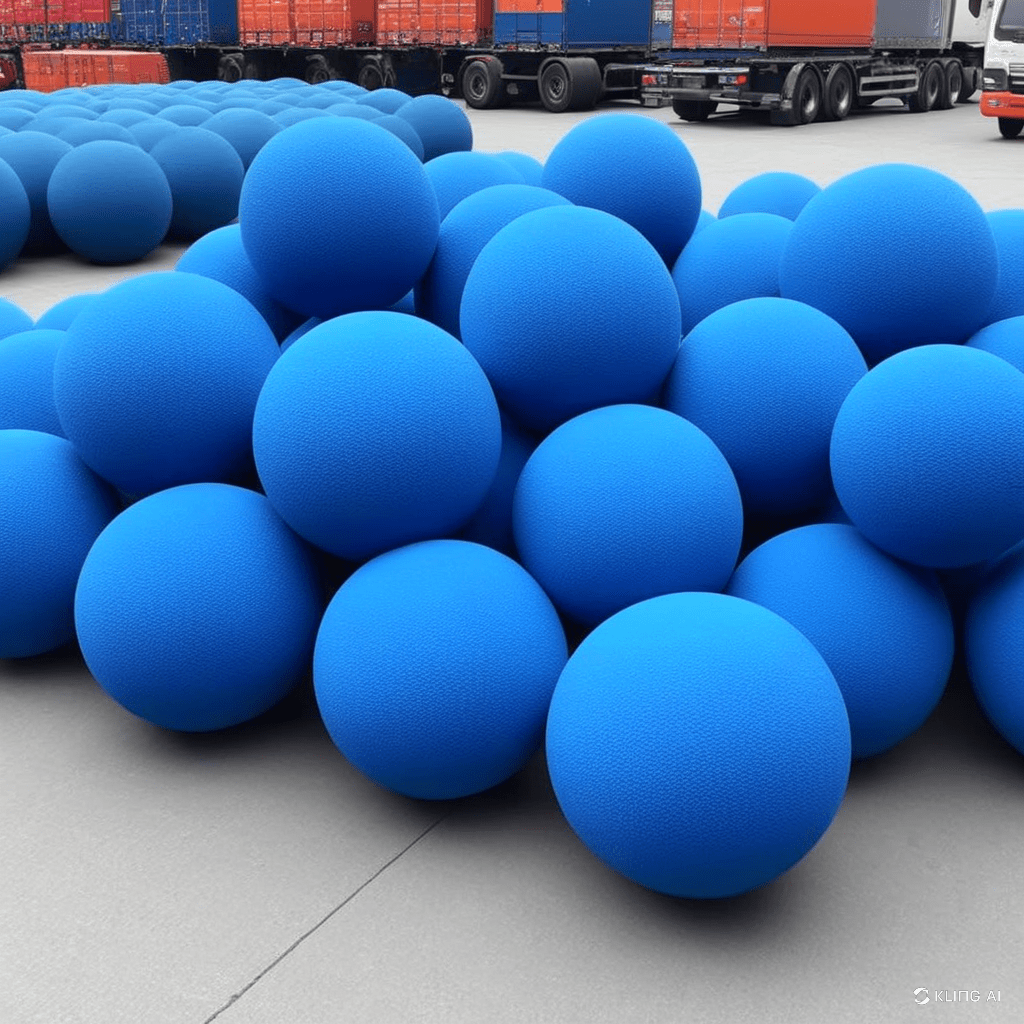
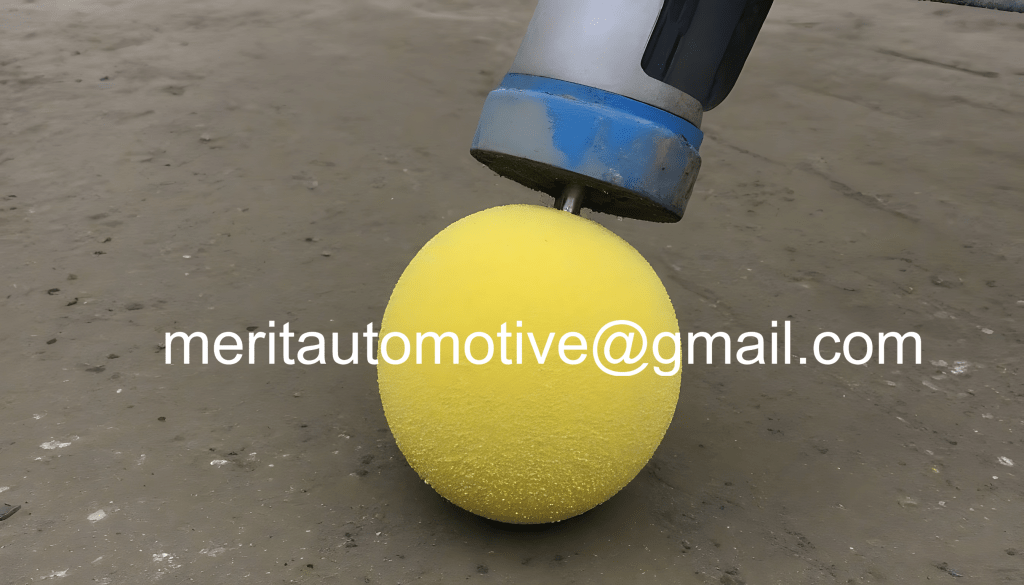
The6-Inch Foam Ballis expertly designed forDrill Pipe (DP) applications, delivering high-performance cleaning for large-diameter drill pipes. Manufactured from premium-grade foam, this product efficiently sweeps away debris, fluids, and contaminants, ensuring optimal pipe cleanliness.
Key Features:
Size: 6 inches in diameter, tailored for 6″ DP applications.
Material: High-density, durable foam for extended use and flexibility.
Efficiency: Removes drilling fluids, mud, and debris, keeping drill pipes clear and ensuring smooth operations.
Applications: Ideal for wellbore cleaning, cementing, and mud removal in oilfield and gas drilling.
Compatibility: Suitable for a variety of pipe sizes and types, offering adaptability across different drilling environments.
Widely used by industry professionals, our 6-inch foam balls improve efficiency and minimize downtime by ensuring that drill pipes remain clean and free of obstructions.
For more information or to make an order, feel free to contact us or visit our website.
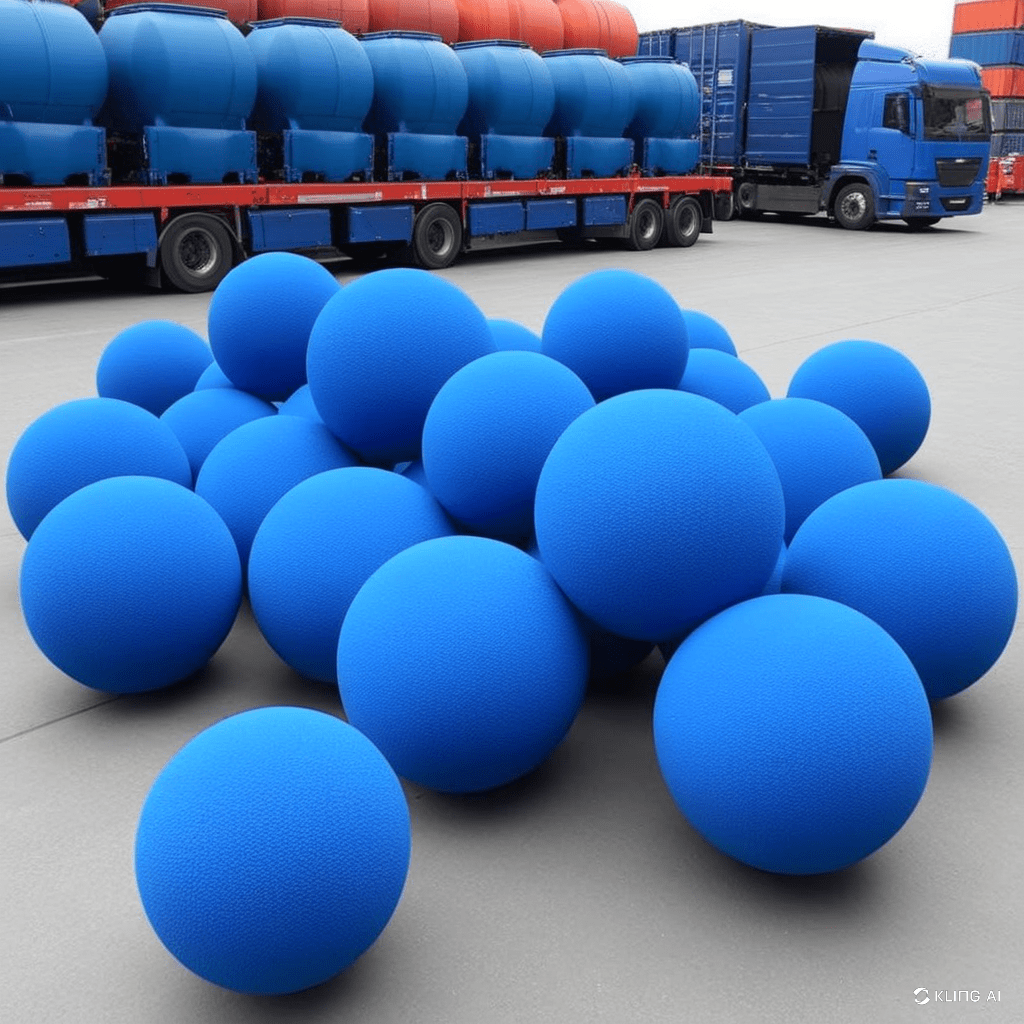
Our5-Inch Foam Ball is specifically crafted for Drill Pipe (DP) applications, providing exceptional cleaning capabilities for various drilling operations. Constructed from premium foam, this ball efficiently removes drilling fluids, debris, and other contaminants from the inside of 5-inch drill pipes.
Key Features:
Size: 5 inches in diameter, optimized for 5″ DP applications.
Material: High-quality, resilient foam for enhanced durability and flexibility.
Performance: Designed for maximum efficiency in cleaning and wiping drill pipes, ensuring smooth operations.
Applications: Ideal for wellbore cleaning, cementing, and mud removal in oil and gas drilling.
Versatility: Compatible with different pipe sizes and drilling systems, making it a versatile tool in various drilling environments.
Professionals rely on our foam balls to maintain cleanliness, improve efficiency, and reduce downtime in drilling operations.
For more details or to place an order, please contact us or visit our website.
What Do You Do When A Foam Wiper Ball Stuck and Jammed Inside The OD of Drill Pipe in Oilfields?
A stuck foam wiper ball in the OD (outer diameter) of a drill pipe can be a tricky situation and the solution depends on several factors, including:
Severity of the Situation:
Location: Where is the ball stuck? Is it near the surface or deep down the hole? Deeper locations present greater challenges and risks.
Cause: What caused the ball to get stuck? Did it expand excessively due to fluids or temperature? Did it encounter a restriction in the pipe? Identifying the cause can help choose the best removal method.
Damage: Is the pipe itself damaged? Is there any deformation or tearing around the stuck ball? Significant damage might require more drastic measures.
Available Resources:
Equipment: Do you have the necessary tools and equipment for retrieval? This might include wireline units, fishing tools, and specialized equipment for manipulating the ball.
Personnel: Are there trained and experienced personnel available to safely handle the retrieval operation?
Time and Cost: How much time and cost are you willing to invest in resolving the issue? Certain methods may be faster but more expensive.
Here are some potential methods for removing a stuck foam wiper ball from the OD of a drill pipe, depending on the circumstances:
Gentle Methods:
Fluid Circulation: Try circulating fluid through the pipe at different pressures and flow rates. This might dislodge the ball if it’s not firmly stuck.
Compression Tools: Use specialized tools, like inflatable packers or compression rings, to gently squeeze the ball and potentially create enough space for it to pass through a restriction.
Chemical Dissolvents: If the ball is made of a material susceptible to specific solvents, consider using them cautiously to try and shrink or partially dissolve it. This should only be done with proper safety precautions and expert guidance.
More Aggressive Methods:
Drilling or Cutting: If all else fails, consider drilling or cutting a small hole through the pipe and extracting the ball through that opening. This method is risky and should be a last resort, as it compromises the integrity of the pipe.
Pipe Replacement: In extreme cases, if the ball cannot be removed and the pipe is severely damaged, replacing the entire section of pipe might be necessary.
Important Considerations:
Safety: Always prioritize the safety of personnel involved. This means properly assessing the risks, using appropriate tools and procedures, and involving experienced professionals if needed.
Environmental Impact: Be mindful of any potential environmental consequences of your chosen method, especially regarding fluid spills or damage to the drilling site.
Cost-Effectiveness: Weigh the cost of various options against the value of the affected pipe and potential losses due to downtime.
Ultimately, the best course of action depends on the specific details of your situation. Consulting with experienced drilling professionals and equipment suppliers is crucial for getting the most accurate advice and implementing the most effective solution for your case.


 Foam Wiper Ball