In the demanding landscape of oil and gas exploration, particularly in deepwater and high-pressure, high-temperature (HPHT) drilling environments, ensuring wellbore integrity is a critical objective. From the initial drilling phase to final cementing, precision and consistency are essential to achieving reliable zonal isolation and long-term well performance. At MERIT, we specialize in engineering high-performance foam wiper balls designed to optimize cementing efficiency, enhance wellbore conditioning, and improve fluid displacement dynamics.
The MERIT Advantage: Engineered for Operational Excellence
Our foam wiper balls are precisely manufactured to address key challenges in cementing and wellbore conditioning operations, offering superior performance in extreme downhole conditions.
Optimized Cement Displacement
Enhances hydraulic efficiency by reducing channeling risks and ensuring uniform cement placement across the annular space.
Promotes better cement bonding by eliminating residual drilling fluids and filter cake from the casing and wellbore wall.
Minimizes micro-annuli formation, leading to improved long-term zonal isolation.
Effective Wellbore Conditioning
Removes residual drilling fluid, cuttings, and debris from the casing and wellbore, facilitating a clean interface for cement slurry adhesion.
Reduces differential sticking risks by ensuring optimal fluid circulation and displacement efficiency.
Mitigates contamination risks by preventing intermixing of drilling mud and cement slurry.
Superior Sealing Capabilities
Maintains optimal downhole pressure control, preventing fluid bypass and undesired migration of formation fluids.
Contributes to mechanical wellbore integrity by enhancing mud-to-cement and cement-to-formation bonding.
Supports well integrity compliance by improving cement sheath homogeneity.
Performance Under Extreme Conditions
Constructed from high-density, resilient foam materials designed to withstand differential pressures and elevated downhole temperatures exceeding 300°F (150°C).
Engineered for use in deepwater, extended-reach, and high-angle wells where conventional wiper plugs may be ineffective.
Resists chemical degradation from high-pH and high-salinity drilling environments, ensuring durability in corrosive conditions.
Operational Cost Efficiency
Reduces non-productive time (NPT) by optimizing cementing efficiency and mitigating the need for costly remedial cementing operations.
Enhances operational reliability, minimizing risks of well control issues and reducing post-cementing wellbore remediation requirements.
Simplifies logistics with lightweight yet highly durable materials, facilitating easy handling and deployment.
Key Features & Benefits
Diverse Specifications:
Available in multiple sizes (ranging from 2” to 24” diameter) to accommodate various casing and drill string configurations.
Customizable densities and material compositions, including standard and high-resilience foam options for specialized applications.
Compatible with oil-based, water-based, and synthetic drilling fluids, as well as cement spacers and slurries.
Precision Manufacturing:
Consistent ball diameter and density ensure predictable downhole behavior and uniform displacement dynamics.
Advanced molding and curing processes enhance elasticity and resilience, preventing structural degradation during high-pressure pumping operations.
Ease of Deployment:
Designed for seamless integration into existing cementing procedures without requiring specialized handling equipment.
Maintains shape and flexibility even after prolonged storage, ensuring reliable performance upon deployment.
Applications
Primary and Secondary Cementing:
Facilitates efficient cement placement in vertical, deviated, and horizontal wellbores, ensuring effective zonal isolation.
Ideal for two-stage and multi-stage cementing jobs requiring precise mud and cement separation.
Deepwater and HPHT Drilling:
Optimized for extreme downhole conditions where standard wiper plugs may be prone to failure.
Ensures robust displacement efficiency in high-density drilling fluid environments.
Wellbore Conditioning and Pre-Cementing Operations:
Essential for displacing wellbore fluids and preparing the annulus for cement bonding in complex drilling scenarios.
Used in casing and liner cleaning applications prior to primary cementing.
Oil Rig and Offshore Operations:
Proven reliability in deepwater exploration and production wells, where maintaining wellbore integrity is critical for operational safety and efficiency.
Why Choose MERIT?
As a leading supplier of precision-engineered cementing and wellbore conditioning solutions, MERIT is committed to delivering best-in-class performance for the oil and gas industry. Our team offers:
Technical expertise to assist in selecting the most suitable foam wiper balls for specific well conditions and operational requirements.
Rapid and reliable delivery to support time-sensitive drilling and completion projects.
Continuous innovation, ensuring our products exceed industry standards for durability, performance, and reliability.
Enhance your wellbore integrity and optimize your cementing operations with MERIT’s advanced foam wiper ball solutions. Contact us today to discuss your technical requirements and experience the MERIT advantage in wellbore conditioning and cementing efficiency.
OEM P/N
Description
Source
Size
Density
WP10004
4″ (100mm) Diameter Closed-Cell Foam Wiper Ball
cis-1,4-Polyisoprene
100 mm (3.94 in)
Closed-Cell Foam
WP10004-SRF
4″ (100mm) Diameter Semi-Rigid Foam Wiper Ball
cis-1,4-Polyisoprene
100 mm (3.94 in)
Semi-Rigid Foam
WP10004-OCF
4″ (100mm) Diameter Open-Cell Foam Wiper Ball
cis-1,4-Polyisoprene
100 mm (3.94 in)
Open-Cell Foam
WP10005
5″ (125mm) Diameter Closed-Cell Foam Wiper Ball
cis-1,4-Polyisoprene
125 mm (4.92 in)
Closed-Cell Foam
WP10005-SRF
5″ (125mm) Diameter Semi-Rigid Foam Wiper Ball
cis-1,4-Polyisoprene
125 mm (4.92 in)
Semi-Rigid Foam
WP10005-OCF
5″ (125mm) Diameter Open-Cell Foam Wiper Ball
cis-1,4-Polyisoprene
125 mm (4.92 in)
Open-Cell Foam
WP10006
6″ (150mm) Diameter Closed-Cell Foam Wiper Ball
cis-1,4-Polyisoprene
150 mm (5.91 in)
Closed-Cell Foam
WP10006-SRF
6″ (150mm) Diameter Semi-Rigid Foam Wiper Ball
cis-1,4-Polyisoprene
150 mm (5.91 in)
Semi-Rigid Foam
WP10006-OCF
6″ (150mm) Diameter Open-Cell Foam Wiper Ball
cis-1,4-Polyisoprene
150 mm (5.91 in)
Open-Cell Foam
WP10007
7″ (175mm) Diameter Closed-Cell Foam Wiper Ball
cis-1,4-Polyisoprene
175 mm (6.89 in)
Closed-Cell Foam
WP10007-SRF
7″ (175mm) Diameter Semi-Rigid Foam Wiper Ball
cis-1,4-Polyisoprene
175 mm (6.89 in)
Semi-Rigid Foam
WP10007-OCF
7″ (175mm) Diameter Open-Cell Foam Wiper Ball
cis-1,4-Polyisoprene
175 mm (6.89 in)
Open-Cell Foam
WP10008
8″ (200mm) Diameter Closed-Cell Foam Wiper Ball
cis-1,4-Polyisoprene
200 mm (7.87 in)
Closed-Cell Foam
WP10008-SRF
8″ (200mm) Diameter Semi-Rigid Foam Wiper Ball
cis-1,4-Polyisoprene
200 mm (7.87 in)
Semi-Rigid Foam
WP10008-OCF
8″ (200mm) Diameter Open-Cell Foam Wiper Ball
cis-1,4-Polyisoprene
200 mm (7.87 in)
Open-Cell Foam
WP10009
9″ (230mm) Diameter Semi-Rigid Foam Wiper Ball
cis-1,4-Polyisoprene
230 mm (9.06 in)
Semi-Rigid Foam
WP10009-OCF
9″ (230mm) Diameter Open-Cell Foam Wiper Ball
cis-1,4-Polyisoprene
230 mm (9.06 in)
Open-Cell Foam
WP10010
10″ (255mm) Diameter Open-Cell Foam Wiper Ball
cis-1,4-Polyisoprene)
255 mm (10.04 in)
Open-Cell Foam
WP10012
12″ (305mm) Diameter Open-Cell Foam Wiper Ball
cis-1,4-Polyisoprene
305 mm (12.01 in)
Open-Cell Foam
WP10014
14″ (355mm) Diameter Open-Cell Foam Wiper Ball
cis-1,4-Polyisoprene
355 mm (13.98 in)
Technical and Chemical Explanation of cis-1,4-Polyisoprene
1. Chemical Structure and Composition
cis-1,4-Polyisoprene is a high-molecular-weight polymer composed of repeating isoprene (C₅H₈) monomer units linked through cis-1,4 addition. The molecular formula is (C₅H₈)ₙ, where n represents the degree of polymerization.
Molecular Structure:
Each isoprene unit consists of a conjugated diene system (two double bonds).
During polymerization, one of the double bonds reacts, leading to the formation of a long-chain elastomeric structure.
The remaining cis double bond in the backbone gives the polymer flexibility and elasticity.
2. Polymerization Mechanism
The polymerization of isoprene occurs via catalytic polymerization or natural biosynthesis in rubber trees (Hevea brasiliensis).
In nature, polymerization is catalyzed by rubber transferase enzymes in the latex of rubber trees.
Synthetic polyisoprene can be produced using Ziegler-Natta or anionic catalysts, but natural rubber exhibits superior mechanical properties.
3. Physical and Mechanical Properties
Elasticity: The cis-configuration allows the polymer chains to coil and uncoil easily, giving rubber its high elasticity.
Resilience: It can return to its original shape after deformation, making it ideal for shock absorption.
Tensile Strength: High molecular weight and intermolecular forces provide good tensile strength.
Abrasion Resistance: Due to its flexible backbone, it shows excellent wear resistance, making it useful in industrial applications like foam wiper balls for oilfield cementing.
Solubility: Insoluble in water but dissolves in non-polar solvents such as benzene, toluene, and chloroform.
4. Chemical Properties
Vulcanization:
Natural cis-1,4-polyisoprene is soft and sticky. To enhance durability, sulfur vulcanization is used.
During vulcanization, sulfur cross-links form between polymer chains, improving heat resistance, elasticity, and mechanical strength.
Oxidation: Susceptible to oxidation, which leads to hardening and brittleness over time. Antioxidants are added to prevent degradation.
Thermal Stability:
Softens at high temperatures (>180°C).
Becomes brittle at low temperatures (<-70°C).
5. Industrial Applications
Oilfield Applications: Foam wiper balls made of natural rubber polyisoprene are used in drilling and cementing to wipe drilling fluids efficiently.
Automotive Industry: Used in tires, seals, and gaskets due to its high elasticity and durability.
Medical Applications: Gloves, catheters, and tubing due to its biocompatibility.
Conclusion
cis-1,4-Polyisoprene is a highly elastic and durable elastomer with extensive industrial applications. Its unique cis-configuration provides flexibility, resilience, and mechanical strength, making it the ideal material for foam wiper balls in oilfield applications.
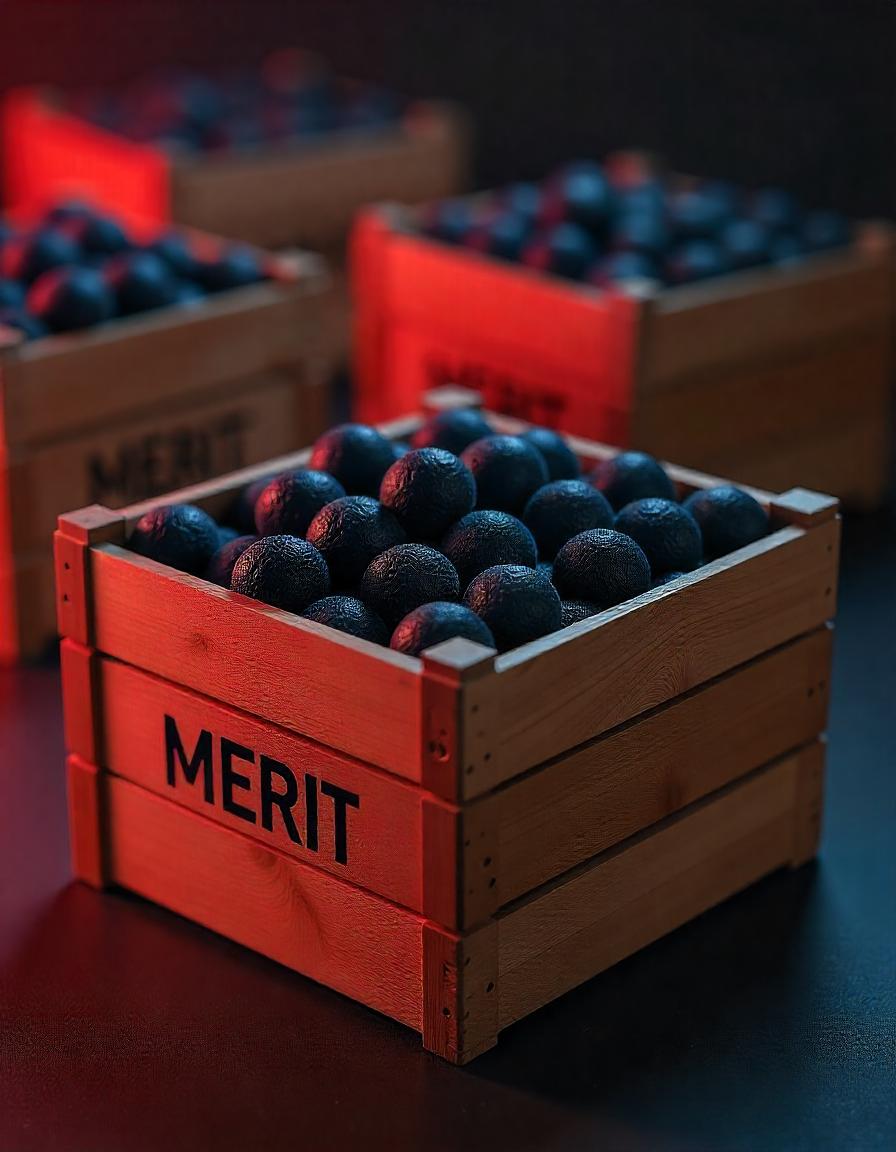
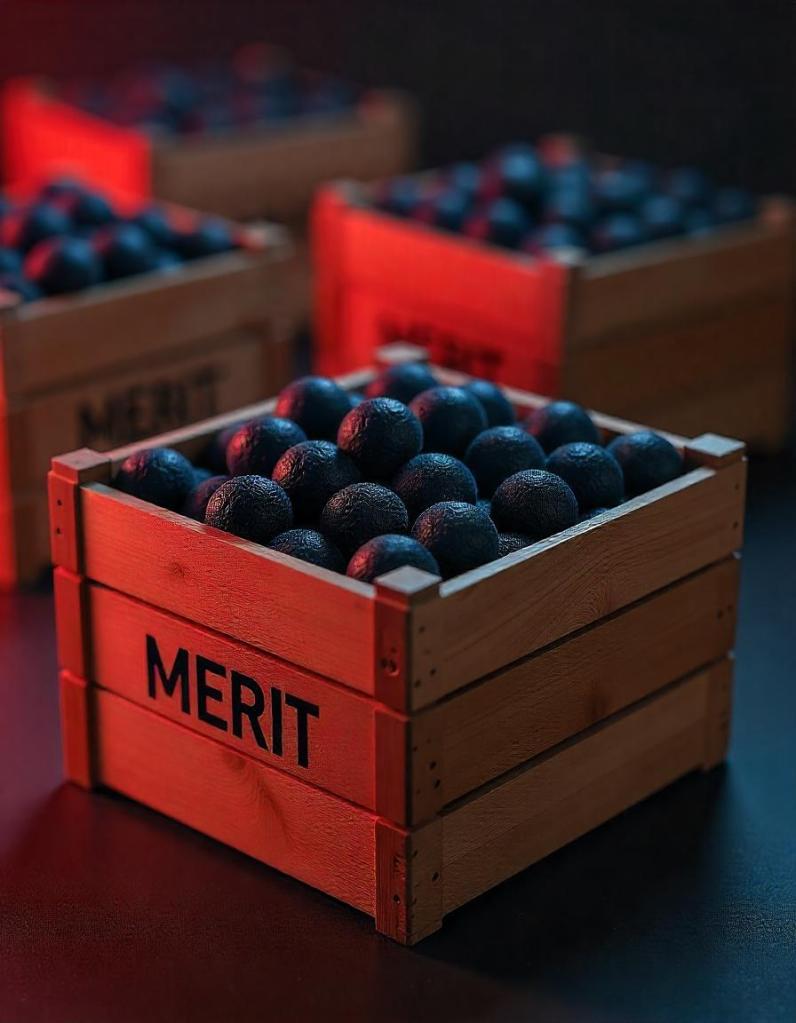
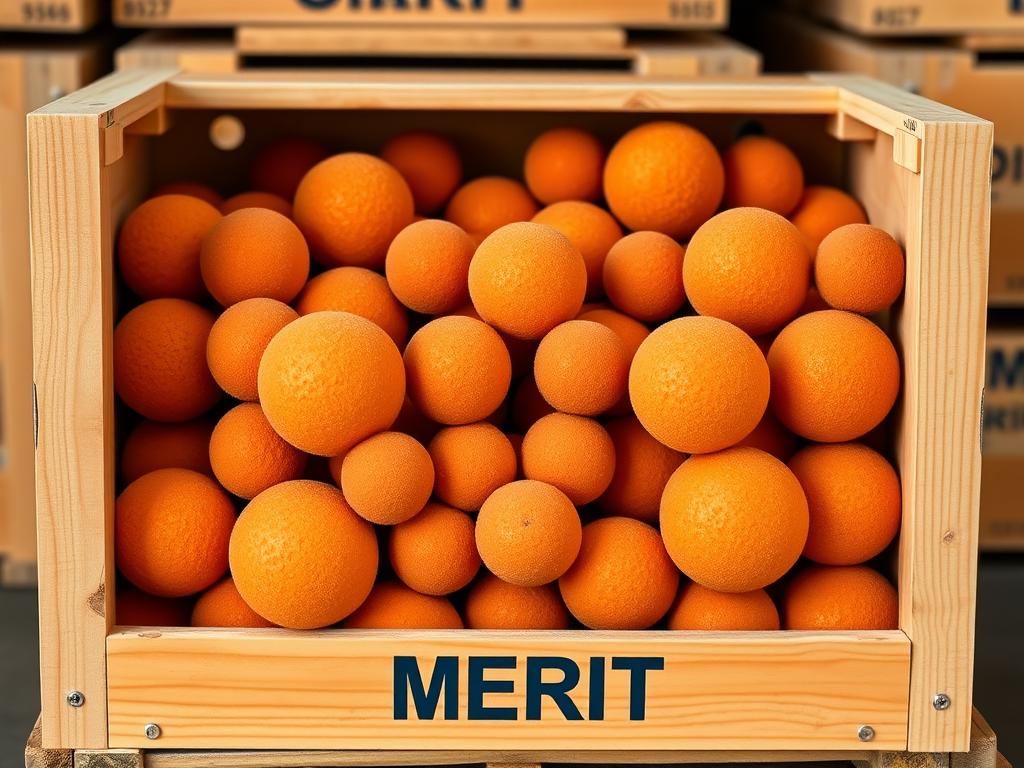
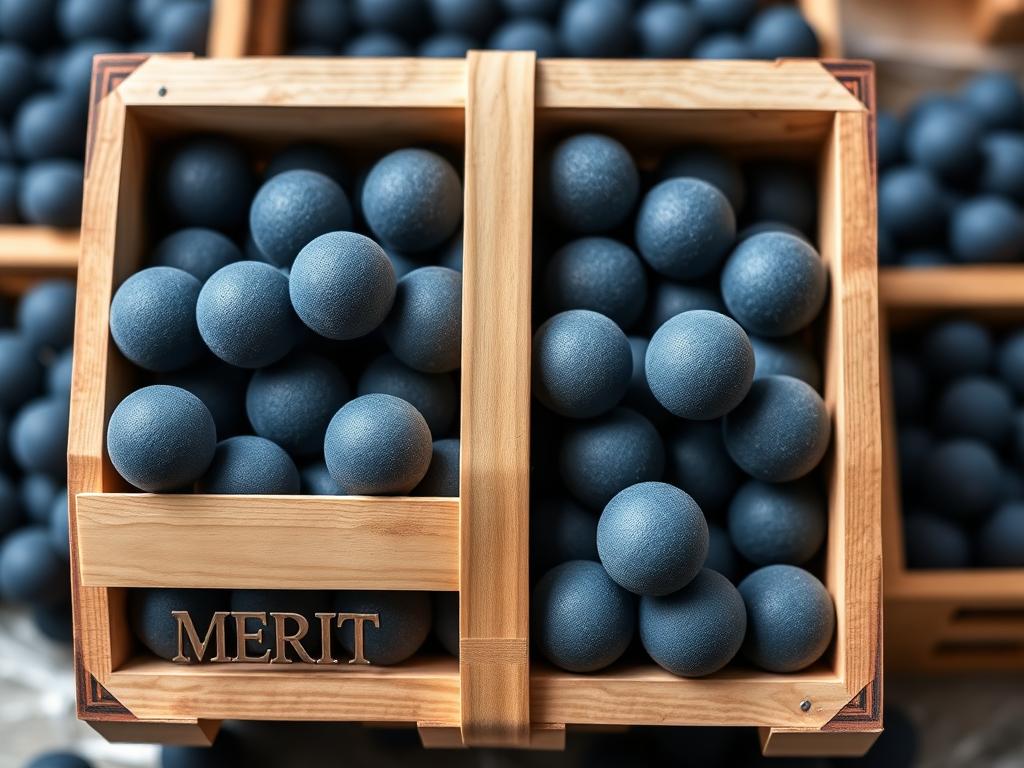
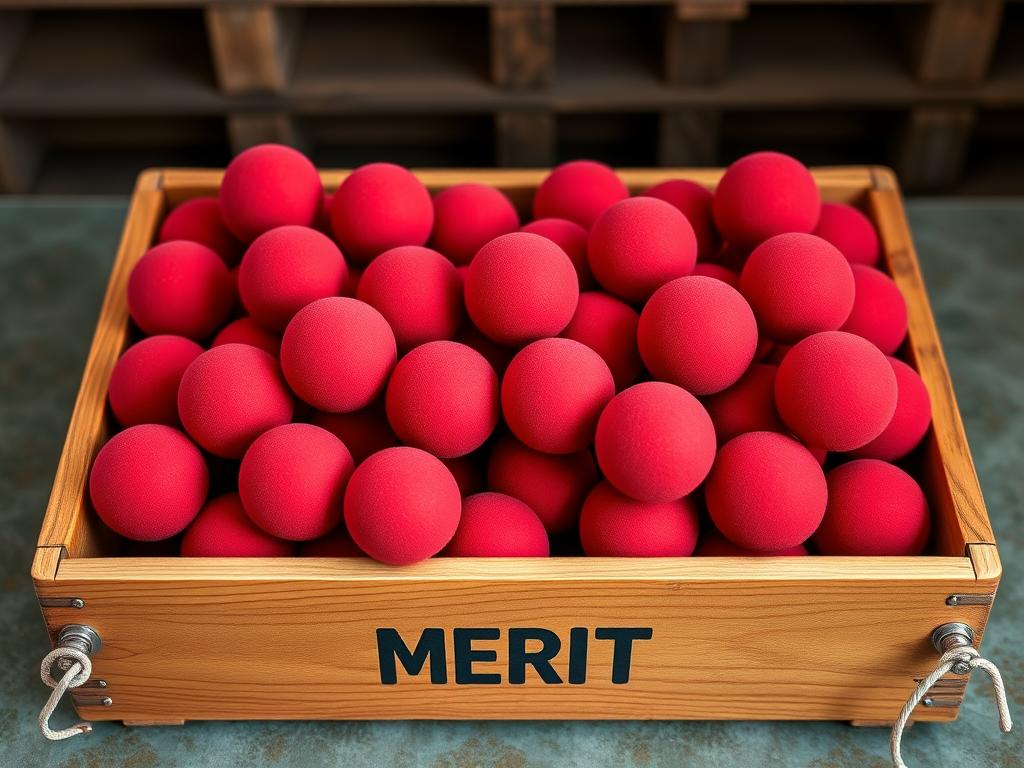
 Foam Wiper Ball
Leave a comment