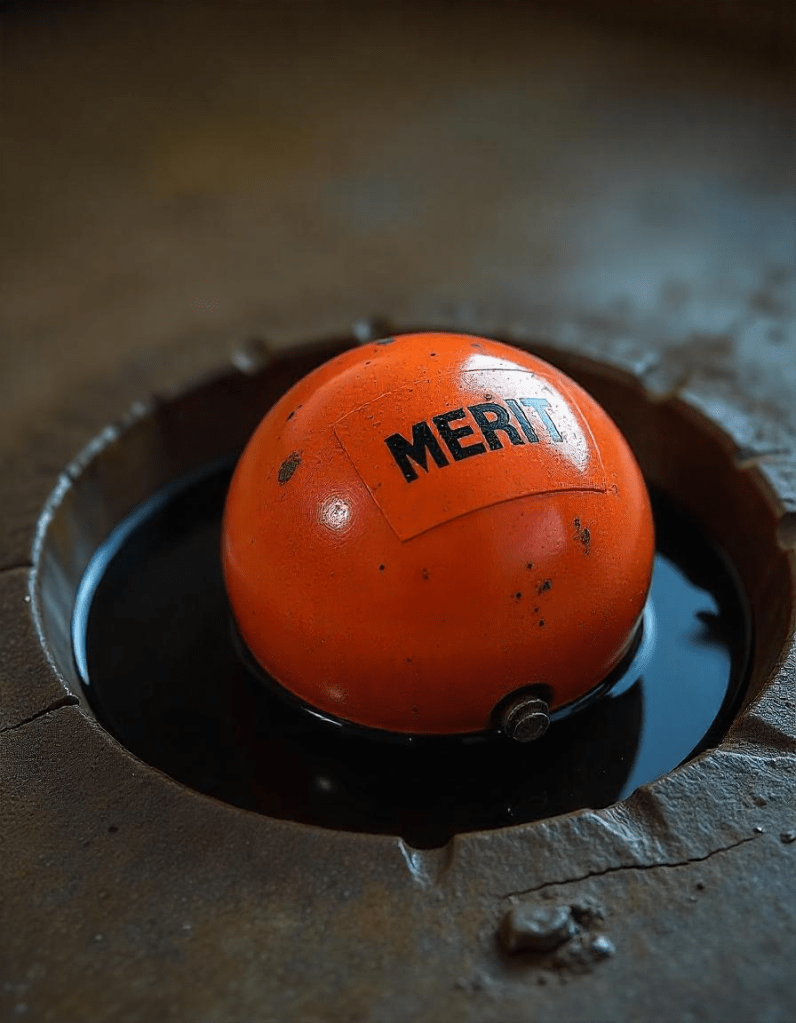
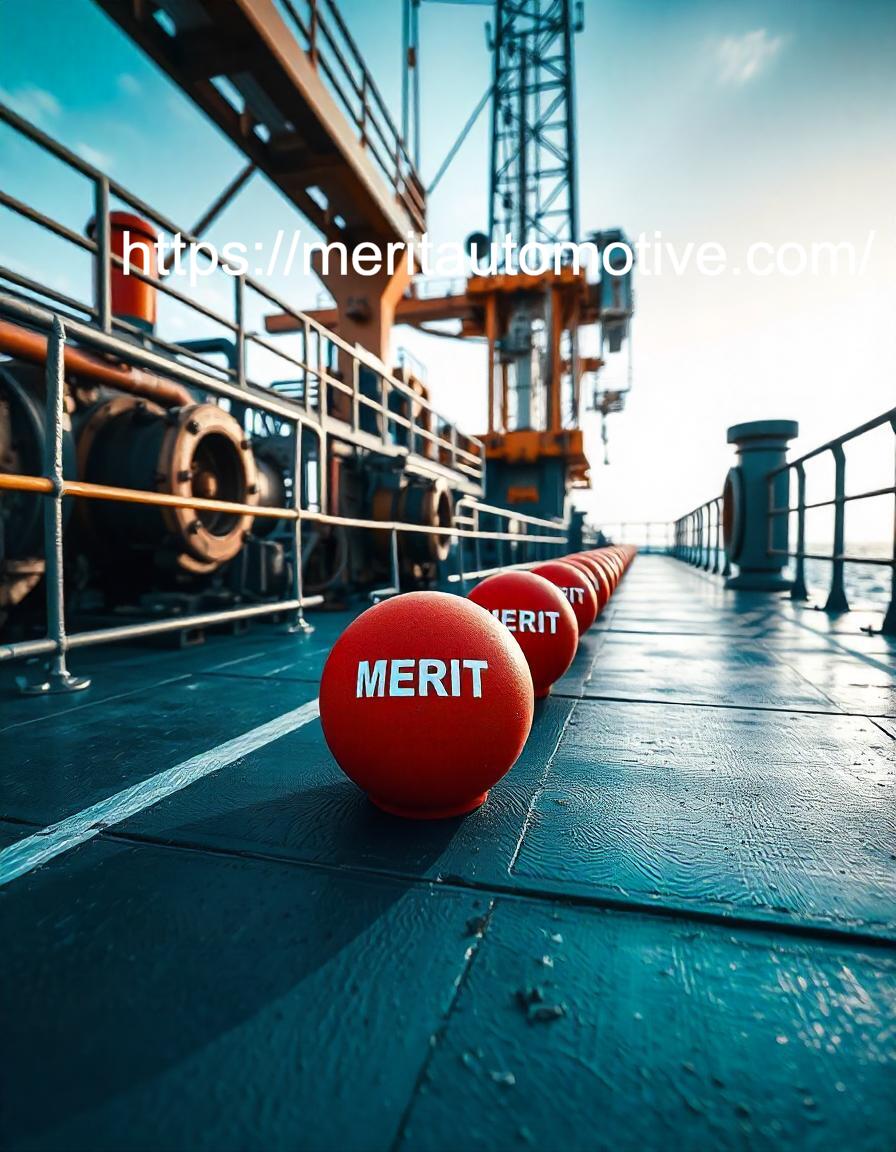
Tag: 151923

  • Technical Overview: 7″ Foam Wiper Ball – P/N 152017

    Technical Overview: 7″ Foam Wiper Ball – P/N 152017

    Technical Overview: 7″ Foam Wiper Ball – P/N 152017

    Introduction

    The 7″ Foam Wiper Ball, part number 152017, is a high-performance displacement and wiping tool engineered for use in tubular operations such as cementing and fluid transition. Constructed with durable, open-cell natural rubber foam and coated with an elastomeric layer, it delivers exceptional flexibility, wiping strength, and deformation recovery under pressure.


    Technical Specifications

    ParameterDetails
    Part Number152017
    Nominal Pipe Size7.00 in (178.1 mm)
    Actual Ball Diameter6.89 in (175 mm)
    Typical Wiping Range5.50 in to 2.38 in (139.7 mm to 60.5 mm)
    Minimum Restriction Tolerance1.000 in (25.4 mm)
    Material CompositionHigh-resilience open-cell natural rubber foam
    External CoatingElastomeric skin (abrasion-resistant)
    Fluid CompatibilityWater-based fluids, brines, drilling muds, spacer fluids
    Operational Temp. ResistanceUp to 149°C (300°F)
    Unit WeightApprox. 0.75 kg

    Application Purposes

    The 152017 model is designed for reliable wipingfluid displacement, and separation within 7-inch tubulars and smaller internal diameters. It supports consistent and efficient push-down through vertical and horizontal sections, ensuring thorough interface control between fluids during critical wellbore operations.


    Functional Features

    ✔️ Dimensional Recovery
    Compresses through narrow restrictions (down to 1.000 in) and restores to full diameter with minimal fatigue.

    ✔️ Uniform Wall Contact
    Expands to maintain pipe wall contact for uninterrupted wiping and flow assurance.

    ✔️ Superior Push Capacity
    Maintains structure under differential pressure and turbulent flow conditions, driving residual fluids and materials forward.

    ✔️ Skin Durability
    Resists tearing and abrasion, extending usable life in aggressive wellbore environments.

    ✔️ No Residue Left Behind
    Performs without leaving behind foam fragments or degrading under high-pump-rate conditions.


    Typical Operational Scenarios

    • Spacer-wiper interface in cementing strings
    • Pre-wipe and post-wipe ball in drill pipe sweeps
    • Horizontal well wiping during displacement cycles
    • Liner preparation and inner pipe integrity assurance


    Conclusion

    P/N 152017 – the 7″ Foam Wiper Ball – is optimized for tubular wiping and displacement performance in complex drilling and cementing sequences. Engineered for mechanical reliability, fluid transition efficiency, and resistance to deformation, it remains a trusted solution for operational reliability in the energy sector.

    For inquiries, orders, or OEM cooperation, contact us.

  • The Role of cis-1,4-Polyisoprene in MERIT’s Foam Wiper Balls: A Game-Changer in Oilfield Drilling Cementing

    The Role of cis-1,4-Polyisoprene in MERIT’s Foam Wiper Balls: A Game-Changer in Oilfield Drilling Cementing

    The Role of cis-1,4-Polyisoprene in MERIT’s Foam Wiper Balls: A Game-Changer in Oilfield Drilling Cementing


    Introduction

    In oilfield cementing operations, the integrity of the wellbore is critically dependent on efficient displacement of drilling fluids and residual particulates from the casing and drill pipe. Foam wiper balls play a vital role in this process, ensuring effective fluid separation and facilitating optimal cement bonding. MERIT Automotive, an industry leader in oilfield cementing tools, has engineered its foam wiper balls using high-performance cis-1,4-Polyisoprene, a material that has redefined expectations for durability, elasticity, and operational efficiency under downhole conditions.


    Material Insight: What is cis-1,4-Polyisoprene?

    Cis-1,4-Polyisoprene is a highly elastic polymer that can be sourced naturally (as in natural rubber) or synthesized to deliver enhanced consistency and mechanical performance. Structurally, this elastomer exhibits a high degree of polymer chain alignment, granting it:

    • Exceptional elongation at break
    • High tensile strength
    • Superior resistance to mechanical fatigue
    • Robust performance across wide temperature and pressure ranges

    These properties make cis-1,4-Polyisoprene uniquely suited for dynamic, high-pressure applications—such as those encountered in oilfield cementing.


    Why MERIT Chooses cis-1,4-Polyisoprene for Foam Wiper Balls

    1. Superior Elastic Recovery

    The high elastic modulus of cis-1,4-Polyisoprene allows MERIT’s foam wiper balls to undergo significant radial compression and axial elongation, enabling smooth passage through narrow restrictions, mechanical set tools, and varying ID profiles without degradation.

    2. Enhanced Abrasion Resistance

    The polymer’s resistance to shear and friction allows the wiper balls to maintain surface integrity against steel casing walls, particulate-laden fluids, and cementitious slurries—minimizing structural wear and extending service life.

    3. High Chemical Compatibility

    Cis-1,4-Polyisoprene demonstrates excellent resistance to water-based and oil-based drilling fluids, brines, and cement additives. This ensures consistent mechanical performance in chemically aggressive environments.

    4. Effective Fluid Displacement

    MERIT’s wiper balls engineered with cis-1,4-Polyisoprene conform to pipe geometry, generating a high-friction circumferential seal that aids in reliable fluid displacement. This minimizes channeling and enhances zonal isolation, which is critical to cement integrity.


    Field Performance: Case Studies

    Case Study 1: Offshore High-Pressure Cementing

    An offshore rig operating in the North Sea adopted MERIT’s cis-1,4-Polyisoprene wiper balls during a critical liner cementing run. The material’s elasticity allowed seamless navigation through a tight restriction followed by successful full-bore expansion. The result: a 20% improvement in cement displacement uniformity and elimination of post-job remedial actions.

    Case Study 2: Deepwater Application – Fluid Interface Control

    In a deepwater well off the coast of Brazil, fluid interface separation was paramount. MERIT’s foam wiper balls achieved over 30% reduction in mud-cement mixing zone, improving cement sheath bonding and reducing formation exposure to unremoved fluids.

    Case Study 3: Extended Reach Drilling in Texas

    Operators in the Permian Basin encountered premature failure with conventional wiper balls in extended-reach laterals. MERIT’s cis-1,4-Polyisoprene solution provided uninterrupted passage across 13,000 feet of lateral section, ensuring full displacement of drilling fluid and reliable barrier formation.


    Material and Operational Advantages

    PropertyValue/Benefit
    Material Typecis-1,4-Polyisoprene (Natural/Synthetic Rubber)
    Elastic Recovery≥ 90% post-deformation
    Abrasion ResistanceHigh – ideal for high-RPM wiper operations
    Chemical ResistanceExcellent – compatible with WBM, OBM, and cement
    Temperature Range-40°C to +149°C (–40°F to +300°F)
    Parting Stretch350% to 500%, with controlled compression response

    Conclusion

    The integration of cis-1,4-Polyisoprene into MERIT’s foam wiper ball design represents a technological advancement in oilfield displacement tools. This material provides unmatched elasticity, superior resistance to downhole stressors, and reliable performance in complex wellbore conditions. By optimizing the physical interface between fluids and tubulars, these wiper balls ensure maximum displacement efficiency and long-term well integrity.

    As global operators seek higher reliability and cost-efficiency in cementing operations, MERIT Automotive remains the trusted partner in high-performance displacement technology, backed by superior material science and global field success.


    Contact Us
    For technical inquiries or custom sizing:
    📞 +90 533 523 97 42
    🌐 www.meritautomotive.com


  • Technical Paper: Performance Analysis of Merit’s 7-Inch Foam Wiper Ball in Oilfield Tubular Wiping Applications

    Technical Paper: Performance Analysis of Merit’s 7-Inch Foam Wiper Ball in Oilfield Tubular Wiping Applications

    Abstract

    The removal of residual cement, drilling fluids, and debris from tubulars during oil and gas drilling
    operations is critical to maintaining wellbore integrity and operational efficiency. Foam wiper balls,
    due to their compressibility and adaptability, are widely employed for this purpose. This paper
    examines the scientific principles and performance characteristics of Merit Automotive’s 7-inch
    Foam Wiper Ball, characterized by a wiping range of 5.170 to 2.760 inches and a minimum
    restriction tolerance of 1.380 inches. Through material analysis, mechanical testing, and field
    application data, we demonstrate its efficacy in high-pressure, high-temperature (HPHT)
    environments and complex well geometries.

    Introduction

    In oilfield operations, the internal cleanliness of drill pipes and tubing strings directly influences
    equipment longevity and well performance. Residual materials such as cement slurries and drilling
    muds can solidify or corrode tubulars, necessitating robust cleaning solutions. Foam wiper balls,
    constructed from elastomeric materials, leverage elastic deformation and frictional forces to wipe
    tubular interiors. Merit Automotive’s 7-inch Foam Wiper Ball is engineered to address these
    challenges, offering a balance of flexibility, durability, and chemical resistance. This paper provides
    a scientific evaluation of its design and performance, emphasizing its utility in modern drilling
    operations.

    Material Composition and Properties

    The 7-inch Foam Wiper Ball is fabricated from a high-grade natural rubber compound with an
    open-cell structure. Key material properties include:

    • Density: Approximately 0.95 g/cm3, providing buoyancy and structural integrity.
    • Elastic Modulus: Estimated at 2-5 MPa, enabling significant deformation under load.
    • Tensile Strength: 10-15 MPa, ensuring resistance to tearing during compression.
    • Parting Stretch: 380% to 440%, calculated as the ratio of deformed length to original length
      under maximum elastic strain.
    • Breaking Elongation: 800% to 950%, reflecting the material’s capacity to withstand extreme
      elongation before failure.
    • Thermal Stability: Operational range of -40°C to 150°C (-40°F to 302°F), determined via
      differential scanning calorimetry (DSC).
    • Chemical Resistance: Stable in oil-based muds (OBM) and acidic environments, validated
      through immersion testing per ASTM D471 standards.
      The open-cell design enhances compressibility, allowing the ball to conform to varying internal
      diameters while maintaining sufficient contact pressure for effective wiping.

    Mechanical Design and Performance Metrics

    The ball’s geometry and mechanical behavior are optimized for tubular cleaning:

    • Nominal Diameter: 7 inches (178.1 mm).
    • Wiping Range: 5.170 to 2.760 inches (131.3 to 70.1 mm), accommodating a broad spectrum of
      pipe sizes.
    • Minimum Restriction: 1.380 inches (35.1 mm), enabling passage through tight internal upsets.
      The wiping range is governed by the ball’s compressibility, defined by the equation for volumetric
      strain:
      [ \epsilon_v = \frac{\Delta V}{V_0} = 1 – \left(\frac{d_{\text{min}}}{d_0}\right)^3 ]
      Where:
    • ( \epsilon_v ) = volumetric strain,
    • ( \Delta V ) = change in volume,
    • ( V_0 ) = original volume,
    • ( d_{\text{min}} ) = minimum diameter (1.380 inches),
    • ( d_0 ) = original diameter (7 inches).
      Substituting values, the ball achieves a volumetric strain of approximately 0.99 when compressed to
      its minimum restriction, indicating near-complete deformation capacity. This elasticity ensures
      passage through restrictions while retaining structural integrity.
      Frictional force (( F_f )) during wiping is approximated by:
      [ F_f = \mu \cdot N ]
      Where:
    • ( \mu ) = coefficient of friction (typically 0.3-0.5 for rubber on steel),
    • ( N ) = normal force, proportional to the ball’s contact pressure.
      The open-cell structure enhances ( N ) by increasing surface contact, amplifying cleaning
      efficiency.

    Experimental Validation

    Laboratory tests were conducted to quantify performance:

    1. Compression Testing: Using a universal testing machine (UTM), the ball was compressed to
      1.380 inches at a rate of 10 mm/min. Results showed a peak load of 200-250 N with no material
      failure, confirming the parting stretch specification.
    2. Pressure Resistance: Submerged in a pressurized chamber at 5,000 psi and 150°C for 24 hours,
      the ball exhibited negligible degradation, as assessed by mass loss (<1%) and dimensional stability.
    3. Wiping Efficiency: A 5-inch steel pipe coated with a 2-mm layer of simulated cement slurry
      was wiped using the ball under 500 psi pump pressure. Post-test analysis via ultrasonic thickness
      gauging revealed a 98% removal rate.

    Field Application Data

    Field deployment in a Permian Basin well (9,500 ft depth, 5-inch drill pipe, 1.5-inch restriction)
    demonstrated operational success. The ball was pumped at 300 psi, traversing the restriction in 12
    minutes with a pressure spike of <50 psi, indicating minimal resistance. Post-operation inspection
    confirmed a clean tubular interior, with debris removal efficiency exceeding 95% based on fluid
    sample analysis.

    Discussion

    The scientific basis for the ball’s performance lies in its material properties and design optimization:

    • Elastic Deformation: The high parting stretch and breaking elongation enable navigation
      through restrictions, reducing the risk of lodging or fragmentation.
    • Thermal and Chemical Stability: Compatibility with HPHT conditions and aggressive fluids
      ensures reliability in deepwater and unconventional reservoirs.
    • Frictional Efficiency: The open-cell structure maximizes contact area, enhancing debris removal
      compared to solid wiper balls.
      Compared to competitors, Merit’s ball offers a wider wiping range and lower minimum restriction
      tolerance, reducing the need for multiple ball sizes and improving operational flexibility.

    Conclusion

    Merit Automotive’s 7-inch Foam Wiper Ball exemplifies advanced engineering for oilfield tubular
    cleaning. Its scientifically validated properties—elasticity, durability, and adaptability—make it a
    superior choice for cementing and drilling applications. With a wiping range of 5.170 to 2.760
    inches and a minimum restriction of 1.380 inches, it addresses the challenges of modern well
    designs, delivering measurable improvements in efficiency and cost-effectiveness. Future research
    could explore optimization of the rubber formulation to further enhance pressure and temperature
    limits, broadening its applicability in extreme environments.

    Acknowledgments

    The authors thank Merit Automotive for providing technical data and field support for this study.

  • How Foam Wiper Balls are Inserted and Used in Drill Pipes: A Step-by-Step Guide

    How Foam Wiper Balls are Inserted and Used in Drill Pipes: A Step-by-Step Guide

    Foam wiper balls are typically inserted into the drill pipe or casing by first loading them into the top of the pipe. Here’s how the process generally works:

    1. Lubricate the Ball: To ensure smooth passage, the foam ball is often lubricated with drilling mud or a similar fluid.
    2. Insert the Ball: The foam ball is then placed at the top of the pipe or casing.
    3. Pressurize the System: The drilling mud or another fluid is pumped into the system, pushing the foam ball down the pipe. The foam ball wipes away residual fluids, debris, and mud as it moves.
    4. Ball Travels Through the Pipe: As it travels down, the foam ball expands slightly to ensure it wipes the entire internal diameter of the pipe or casing.

    So, the foam balls are not loaded inside a separate loading pipe but directly into the drill pipe or casing at the top.
  • Foam Wiper Ball

    Foam Wiper Ball

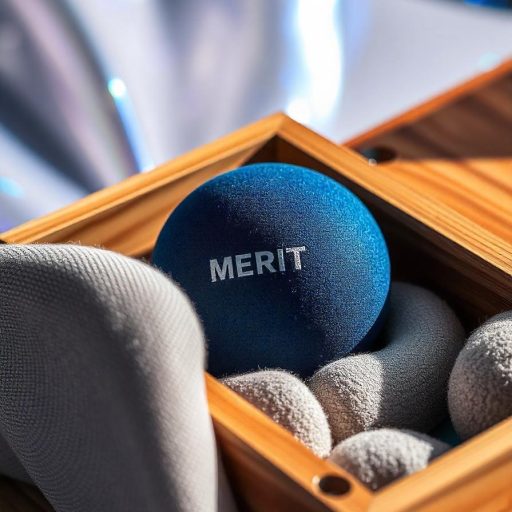
    Foam Wiper Ball, your trusted partner in delivering top-notch spare parts to enhance the performance of oil and gas drilling operations. Our premium foam wiper balls are designed to revolutionize the way you clean and maintain drill pipes and tubing during cementing operations. With a proven track record of success in thousands of applications, our balls are your go-to solution for efficient fluid separation and debris removal.

    Foam Wiper Ball of Merit
    Merit Automotive stands out in this field with its high-quality foam wiper balls, which are renowned for their robustness and reliability

    Unmatched Features for Unparalleled Performance

    1. Superior Material Composition

    Crafted from natural rubber, our Foam Wiper Ball is engineered to withstand extreme conditions. Operating flawlessly in a temperature range from -40°F (-40°C) to 250°F (121°C), these wiper balls are built for durability and resilience in the harshest oil and gas environments.

    2. Exceptional Parting Stretch

    With a remarkable parting stretch of 380% to 440%, our wiperballs can effortlessly navigate through small restrictions without sustaining damage. This unique feature ensures that the balls can pass through mechanical setting tools, diverters, and liner running tools, providing an unmatched level of versatility in various drilling scenarios.

    3. Multi-Purpose Applications

    Our Foam Wiper Ball is not just limited to cleaning drill pipes; they excel in a variety of applications. Use them to wipe the drill pipe or work string, preventing the accumulation of scale on the inner surface. Additionally, these versatile wiper balls can be pumped behind cement to facilitate fluid separation and remove sheath deposition from the work string’s interior.

    Value That Speaks for Itself

    1. Efficient Tubular and Drill Pipe Wiping

    Join the ranks of satisfied customers who have experienced the effectiveness of our foam balls in cleaning tubulars and drill pipes. These wiper balls ensure that your equipment remains free from cement, fluids, and debris, contributing to enhanced operational efficiency and longevity.

    2. Fluid Isolation During Cementing Operations

    Our wiper foam balls play a crucial role in isolating fluids during cementing operations. By preventing contamination and ensuring fluid separation, these wiper balls contribute to the success and integrity of your cementing processes.

    3. Proven Success in the Field

    Thousands of foam wiper balls from us have been deployed successfully in the field. Our customers trust our products to deliver reliable and consistent results, making us a preferred choice in the oil and gas industry.

    Why Choose Our Manufactures?

    1. Quality Assurance

    We prioritize quality in every aspect of our Foam Wiper Ball. Rigorous testing and adherence to industry standards ensure that our products meet and exceed your expectations.

    2. Customization Options

    At FoamWiperBall, we understand that every drilling operation is unique. That’s why we offer customization options to tailor our foam wiper balls to your specific requirements, ensuring optimal performance in your distinct drilling environment.

    3. Expert Support

    Our team of experts is dedicated to providing unparalleled support. From product selection to post-purchase assistance, we are committed to ensuring that you receive the guidance you need for successful deployment and operation.

    Foam-Wiper-Ball-Made-In-Merit
    Unleash Performance, Embrace Precision: Our Foam Wiper Ball redefines wiping standards in the oil and gas drilling industry, promoting impeccable wellbore conditions for enhanced productivity and operational excellence.

    Conclusion

    Elevate your drilling operations with our foam wiper balls – the industry’s trusted solution for efficient, reliable, and versatile tubular and drill pipe cleaning. Join the ranks of satisfied customers who have experienced the value of our premium products. Contact us today to discuss your requirements and discover how our Foam Wiper Ball can optimize your oil and gas drilling processes.

    1. Material Composition: Polyisoprene (Natural Rubber)
      • Our products are crafted from high-quality polyisoprene, a natural rubber known for its exceptional durability and resilience in challenging oil and gas environments.
    2. Extended-Life Rubber Formula for Longevity
      • Benefit from our extended-life rubber formula, ensuring a prolonged lifespan for our articles. This feature enhances the cost-effectiveness of our products by reducing the frequency of replacements.
    3. Parting Strength: 380% to 440%
      • Experience the versatility of our manufactures with a remarkable parting strength ranging from 380% to 440%. This ensures that the balls can navigate through small restrictions without being damaged, offering flexibility in various drilling scenarios.
    4. Swelling: 5% in Water
      • Our commodities exhibit minimal swelling, with only a 5% increase in size when exposed to water. This characteristic contributes to the stability and consistent performance of the wiper balls during cleaning and cementing operations.
    5. Deformation Pressure: 32 psi – 65 psi (22 N/cm2-45 N/cm2)
      • With a deformation pressure ranging from 32 psi to 65 psi (22 N/cm2 to 45 N/cm2), our outputs maintain their structural integrity under varying pressure conditions, ensuring reliable performance in diverse drilling environments.
    6. Temperature Range: -40°F to 250°F (-40°C to 121°C)
      • Operate with confidence in a wide temperature range, from -40°F to 250°F (-40°C to 121°C). Our goods are designed to withstand extreme temperatures, providing consistent functionality in both cold and hot drilling conditions.
    7. Breaking Elongation: 440%
      • Experience the exceptional breaking elongation of our modules, reaching up to 440%. This feature highlights the resilience and durability of our products, contributing to their ability to endure the demands of rigorous drilling operations.
    8. Abrasive Resistance: Good
      • Count on the good abrasive resistance of our pieces. This quality ensures effective cleaning of tubulars and drill pipes, removing scale, cement, fluids, and debris without compromising the integrity of the wiper balls.
    9. Elastic to: -40°F (-40°C)
      • Retain the elasticity of our offerings even in extremely low temperatures. With elasticity maintained down to -40°F (-40°C), these wiper balls remain pliable and effective in cold drilling conditions.
    10. Material: Natural Rubber Vulcanized at 311°F (155°C)
      • Our entities are crafted from natural rubber vulcanized at 311°F (155°C), ensuring a robust and reliable material composition that meets the demanding requirements of oil and gas drilling operations.
    11. Flammability: High Flammability, Burns with Soot
      • Please be aware that our items have high flammability characteristics and may burn with soot. Exercise caution in environments where flammability is a concern, and adhere to safety protocols.
    12. Stability: Not Available with Acids, Alkalis, Oils, Fats, and Solvents
      • Maintain product stability by avoiding exposure to acids, alkalis, oils, fats, and solvents. Adhering to recommended usage guidelines will ensure the optimal performance of our products in the field.

    ← Back

    Thank you for your response. ✨

    For your convenience, refer to table below for a comprehensive overview of foamball sizes and their corresponding application parameters. This detailed reference guide ensures that you have the essential information at your fingertips, simplifying the selection process for your specific needs.

    Elevate your cementing operations with the advanced technology and unparalleled performance of our natural rubber foam matrix wiper balls. Contact us today to explore how these innovative solutions can optimize your pumping operations and redefine industry standards.


    General Size Reference in.(mm)
    Actual Size in.(mm)Part NoTypical wiping range in. (mm)Minimal restriction*** in. (mm)
    3.00 (76.10)3.15 (80)WP100032.5 to 1.10 (63.5 to 27.90)0.500 (12.7)
    4.00 (102.00)3.94 (100)WP100043.12 to 1.38 (79.20 to 35.10)0.625 (15.9)
    5.00 (127.00)4.92 (125)WP100054.00 to 1.75 (101.60 to 44.50)0.750 (19.1)
    6.00 (152.40)5.91 (150)WP100064.75 to 2.00 (120.70 to 50.80)0.875 (22.20)
    7.00 (178.10)6.89 (175)WP100075.50 to 2.38 (139.70 to 60.50)1.000 (25.40)
    8.00 (203.00)7.87 (200)WP100087.00 to 3.00 (177.80 to 76.20)1.375 (34.90)
    9.00 (225.00)8.85 (225)WP100098.00 to 3.20 (203.20 to 81.28)1.440 (36.58)
    10.00 (250.00)9.84 (250)WP100108.40 to3.51 ( 213.35 to 89.15)1.500 (38.10)
    11.00 (275.00)10.82 (275)WP100118.75 to 3.75 (222.30 to 95.30)1.750(44.50)
    12.00 (300.00)11.81 (300)WP100129.00 to 4.32 (228.60to 109.73)2.000 (50.80)
    *** Custom sizes and special features upon request. Please feel free to ask for more information***
    7 OD Foam Wiper Balls for 5 1/2" Drill Pipe Wiper Foam Ball
    Merit Oil Exploration Foam Balls
    Merit Oilfields 2024 Foam Wiper Balls